
 English
  Italian
  French
  German
  Spanish
  Arabic
 Women’s handbag trends are moving in an interesting direction as brands prepare for 2027. Bags are becoming softer and easier to carry, yet clean structure has not disappeared. Texture is doing more of the visual work, while colors are becoming richer, warmer, and easier to wear across several seasons.
Looking at the directions already visible through 2026, soft shoulder bags, elongated East-West shapes, roomy totes, top-handle designs, suede, woven surfaces, burgundy, brown, and muted natural tones all have room to continue developing. Recent runway and fashion-market coverage points toward this mix of practicality, texture, and recognizable silhouette rather than one single dominant handbag shape.
If you are developing a 2027 handbag collection, copying every visible trend is rarely the best move. The better question is which shape, material, color, and construction details make sense for your customer, your brand position, and the way the bag will actually be used.
1. What Will Define Women’s Handbag Trends in 2027?
The strongest Women’s Handbag Trends for 2027 are likely to sit between fashion and everyday use. Buyers still want a bag to feel new, but they are paying more attention to capacity, carrying comfort, closure, organization, material feel, and whether the style can remain useful after one season.
I look at this carefully whenever a new handbag concept reaches the development stage. An attractive sketch can quickly become an awkward product if the opening is too narrow, the strap sits poorly on the shoulder, or a fashionable soft body loses its shape as soon as a customer puts a phone, wallet, and other daily items inside.
That shift explains why relaxed shoulder bags and practical larger shapes can exist beside compact structured bags. Fall 2026 runway coverage already showed larger shoulder bags, soft clutches, and updated top-handle forms, suggesting that functionality and strong silhouettes are increasingly working together rather than competing with each other.
Brands planning for 2027 should treat a trend as a design direction rather than a finished specification. Shape creates the first impression, but material, reinforcement, hardware, internal layout, and carrying method decide whether that shape becomes a good commercial handbag.
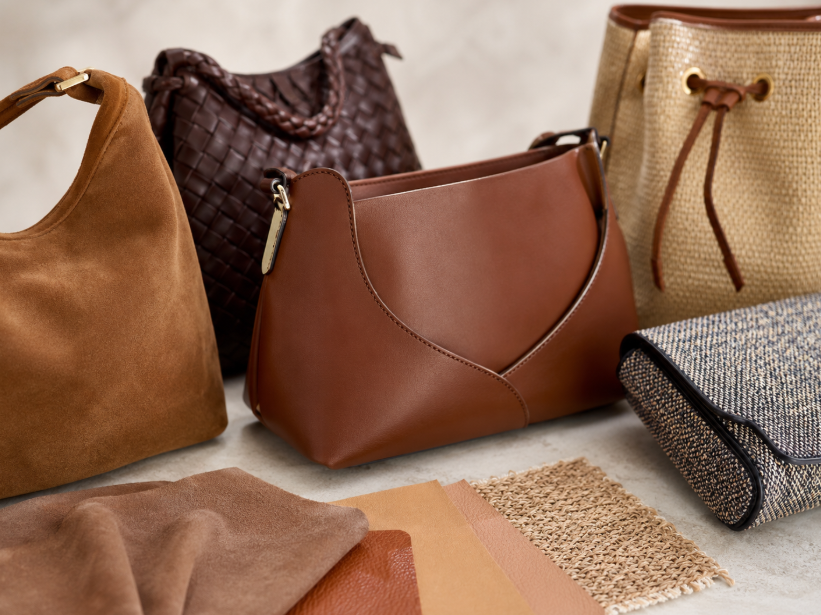
These women’s handbag directions are part of the broader 2027 bag trends affecting other bag categories as well.
2. Popular Handbag Shapes for Women in 2027
Silhouette is one of the clearest places to watch Women’s Handbag Trends. The market is moving across two very different ideas: relaxed volume and controlled structure. Both can work, but they need very different construction decisions.
| Shape Direction | Why It Works | What Buyers Should Check During Sampling |
|---|---|---|
| Soft slouchy bag | Relaxed appearance and comfortable daily use | Drape, base collapse, handle reinforcement, lining movement |
| East-West bag | Recognizable horizontal proportion with a clean fashion look | Opening width, body twisting, zipper stability, base support |
| Top-handle bag | Polished silhouette with long-term styling potential | Handle attachment, closure alignment, corner structure |
| Oversized tote | Strong everyday function and high carrying capacity | Handle load, bottom reinforcement, bag weight |
| Compact shoulder bag | Easy styling and clear visual identity | Phone fit, strap drop, opening access, internal space |
Soft and Slouchy Handbags
Soft and slouchy handbags are one of the more convincing directions moving into 2027. The appeal comes from movement. Supple leather, suede, softer PU, and flexible textile constructions allow the body to fold naturally instead of holding a rigid geometric form.
Production becomes more sensitive when the structure is intentionally relaxed. If the body is too thin, it can look empty and weak; if reinforcement is too heavy, the intended drape disappears. I normally pay close attention to what the bag looks like both empty and loaded because those two states can be surprisingly different.
Handle anchors also deserve more attention than buyers often expect. Soft panels transfer carrying force differently from rigid panels, so reinforcement needs to support the handle without creating a visible hard patch underneath the outer material.
East-West, Top-Handle, and Structured Shapes
East-West handbags continue to have strong visual recognition because the proportions are immediately different from conventional shoulder bags. The elongated body has been visible across recent collections and celebrity styling, while top-handle bags have also remained prominent in 2026 runway reporting.
The long body of an East-West bag creates its own manufacturing challenges. Weak base construction can bow in the center, while an unstable top edge may twist around a zipper. Buyers should test the bag with realistic contents rather than judging the first sample only on a display table.
Structured top-handle designs need the opposite approach. Panel symmetry, edge paint, corner construction, handle position, and closure alignment are easier to see, so small production inconsistencies become more noticeable.
If you need to distinguish these silhouettes during product planning, the guide to common handbag types gives a useful foundation before developing individual styles.
Oversized Totes and Compact Shoulder Bags
Oversized bags are gaining attention again because customers actually carry things. Recent 2026 coverage has also highlighted the return of larger practical totes and shoulder bags rather than focusing only on micro sizes.
Size creates a hidden trade-off. Increasing a handbag by 20 or 30 percent can increase material use, finished weight, handle load, lining movement, and pressure on the bottom panel much more than the sketch suggests.
Compact shoulder bags need a different type of discipline. The inside cannot simply be a smaller version of a large bag. Phone dimensions, zipper opening, card pocket position, closure depth, and strap attachment can decide whether a small handbag feels useful or frustrating.
3. Trending Handbag Materials for 2027
Material choice may influence 2027 collections as much as silhouette. Recent handbag coverage has shown strong interest in suede, canvas, raffia, woven construction, leather, and other tactile surfaces, which suggests buyers are looking for bags that feel visually rich before decorative hardware is added.
Leather, Suede, and Soft-Touch Materials
Leather remains valuable because its hand feel, grain, structure, finishing possibilities, and aging characteristics can change the personality of the same handbag pattern. Soft full-grain or corrected leather can support relaxed bags, while firmer leather can give a top-handle design cleaner edges.
Suede creates depth without requiring complicated decoration. Its weak point is consistency. Nap direction, rubbing, color transfer, surface marks, and shade variation should all be checked before bulk approval, especially with dark brown, burgundy, or saturated colors.
Material selection should happen together with construction development. Our guide to the best materials for custom ladies handbags explains the performance differences between leather, PU, canvas, recycled fabrics, and other common options in more detail.
Woven, Raffia, and Textured Fabrics
Woven surfaces are moving beyond the traditional beach-bag look. Raffia, woven leather, braided panels, crochet-inspired surfaces, canvas blends, and textured synthetic materials can now appear in more polished city bags when the construction is controlled. Spring and summer 2026 fashion coverage has already shown woven bags and raffia moving into broader everyday use.
Construction quality matters more here because texture can hide problems during initial inspection. Look closely at strand tension, edge finishing, panel joining, lining attachment, snag resistance, and whether the surface stretches unevenly around stress points.
Woven leather also changes pattern behavior. Each panel may stretch differently from a solid leather panel, which can affect dimensions after sewing. Good sampling should check finished measurements after the bag has been filled and carried, not immediately after it leaves the sewing line.
Recycled and Alternative Materials
Recycled polyester, recycled nylon, alternative leather-like materials, and lower-impact material options will remain part of many brand discussions in 2027. The label attached to the material is less useful than the documentation behind it.
Brands making recycled-content claims should ask how that material is traced through the supply chain. Textile Exchange explains that the Global Recycled Standard verifies and tracks recycled raw materials through chain-of-custody requirements. Buyers should request documents that match the actual material and supply chain instead of accepting an unsupported “recycled” description.
Leather and textile safety deserves similar attention. The OEKO-TEX LEATHER STANDARD covers testing of leather components, threads, buttons, and related components against harmful substances. Certification should always be verified for the material or product concerned rather than assumed from a supplier’s general marketing language.
4. Popular Women’s Handbag Colors for 2027
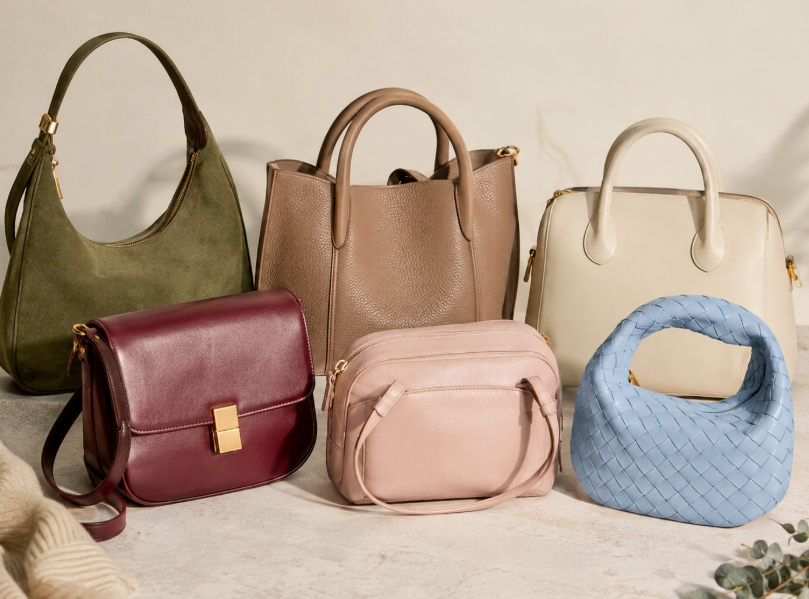
Color will probably become one of the easier ways for brands to make familiar handbag shapes feel new. Current 2026 signals favor shades that have personality but still work across a large wardrobe, including burgundy, espresso brown, olive, cream, butter yellow, and other softened tones.
Warm Neutrals and Earthy Tones
Chocolate, espresso, taupe, camel, sand, warm beige, and muted tan suit the growing interest in leather and suede because they allow surface texture to remain visible. They also work across structured and relaxed silhouettes, making them useful when a brand wants to carry one material across several styles.
Neutral does not mean easy to produce. Brown shades can expose differences between leather lots, edge paint, thread, lining, and handles. Sample approval should compare these components under the same lighting rather than approving each swatch separately.
Burgundy, Deep Red, and Statement Colors
Burgundy has already remained visible across recent handbag coverage and works well because it creates more character than black without becoming difficult to style. Deep cherry, wine, oxblood-inspired tones, and restrained red shades can move across shoulder bags, East-West bags, and structured top-handle styles.
Color control becomes especially important when several materials appear on one handbag. Leather, edge paint, zipper tape, lining, thread, and plated hardware react to color differently, so an approved “burgundy” should be treated as a complete color specification rather than a single leather swatch.
Soft Pastels and Natural Greens
Soft blue, dusty pink, pale yellow, sage, olive, and muted green can give spring and summer collections a lighter option without relying on extremely bright colors. Pastel handbag directions were already visible in Spring 2026 trend coverage, while olive has continued to behave much like a wearable neutral.
Light colors need stronger surface testing. Dye transfer, staining, glue marks, edge-paint contamination, yellowing, and packaging contact become easier to see. Production teams should pay extra attention to handling and final packing when the outer material is pale.
5. Handbag Details and Finishes Shaping 2027
One of the more useful Women’s Handbag Trends for product developers is the move toward detail that comes from construction rather than excessive decoration. Minimal hardware can make a handbag look cleaner, but it also makes the quality of every visible metal component more important.
Closures should feel intentional. Magnetic snaps, concealed zippers, turn locks, slim buckles, and small metal details work best when their finish, opening force, alignment, and placement match the character of the bag. Cheap plating becomes very noticeable on an otherwise restrained design.
Quilting, embossing, weaving, pleating, and padded surfaces add visual depth without requiring printed graphics. These techniques change the manufacturing process, since stitch alignment, panel shrinkage, foam thickness, embossing pressure, or weaving tension can alter the final dimensions.
Charms and tassels can still have a place, especially when personalization is part of the brand identity. Recent 2026 fashion coverage has shown renewed interest in tassels, beaded surfaces, and playful bag details. The best commercial approach is often to design a proper attachment point into the bag rather than hanging decoration from hardware that was never intended to carry it.
6. How Brands Can Turn 2027 Handbag Trends Into Commercial Products
Trend awareness helps you choose a direction. Product development decides whether customers will keep using the bag once the visual excitement fades.
Choose Trends That Fit Your Target Customer
Start with behavior before choosing a silhouette. Ask what the customer carries, where she uses the bag, how long she carries it each day, whether she prefers shoulder or hand carry, and what normally frustrates her about existing bags.
Those answers quickly filter trends. An extremely narrow East-West bag may suit a fashion-led collection but struggle as a work bag. An oversized suede tote can look attractive but may become too heavy if the outer material, lining, reinforcement, and hardware are all substantial.
Balance Trend Appeal With Long-Term Wearability
I prefer to separate a handbag into two layers when reviewing a design: the parts that create its trend identity and the parts responsible for daily use. Color, texture, hardware shape, handle proportion, and small accessories can create freshness, while opening access, strap comfort, capacity, reinforcement, and pocket placement should remain practical.
This approach also makes future updates easier. A successful base pattern can evolve through new colors, materials, handles, or surface finishes without rebuilding the complete product every season.
Test Shapes, Materials, and Colors Before Bulk Production
One sample rarely answers every question. Early samples should first confirm proportion and construction, then later revisions can lock material, color, hardware, logo, and finishing details.
| Development Check | What to Review |
|---|---|
| Shape test | Proportion, opening, drape, loaded appearance |
| Carry test | Strap drop, handle comfort, balance, finished weight |
| Material test | Scratch resistance, rubbing, stretch, surface consistency |
| Color test | Lot variation, transfer, edge-paint match, lining match |
| Construction test | Seams, reinforcement, zipper movement, closure alignment |
| Final approval | Measurements, logo, hardware, packaging, workmanship standard |
Keep an approved reference sample once the design is confirmed. That sample gives both the buyer and factory a physical benchmark when production starts and reduces arguments based on photos, memory, or vague wording.
7. Planning a Custom Women’s Handbag Collection for 2027
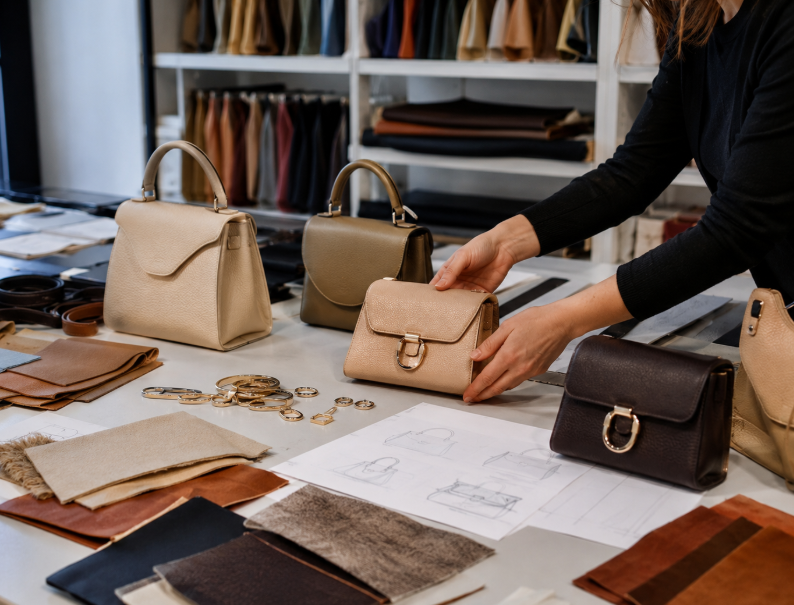
Collection planning works better when the pieces share a design language without becoming copies of each other. You might use one leather family across a soft shoulder bag and a structured mini bag, repeat the same hardware finish, or develop a controlled color palette that moves from a neutral core shade into one stronger seasonal color.
The development order also matters. I normally want the silhouette and dimensions resolved before spending too much time adjusting logos or packaging. Once the body works, the team can refine leather or fabric selection, reinforcement, hardware, lining, edge finishing, branding, and final color.
A first prototype should answer basic construction questions. Revised samples should answer finer questions such as handle drop, zipper access, lining fit, edge-paint quality, logo position, hardware weight, and how the bag looks when carried with realistic contents.
Brands building an original range can review the available custom handbag manufacturing options when planning materials, structures, sizes, colors, hardware, logos, and sample development.
Supplier selection deserves the same care as trend selection. A factory should be able to explain pattern development, material sourcing, sampling, production tolerances, in-process inspection, final inspection, and what happens when a material or construction problem appears. Buyers comparing production partners may also find this guide to choosing a trustworthy handbag manufacturer in China useful.
8. Conclusion
The most useful way to read Women’s Handbag Trends for 2027 is not as a list of products that every brand needs to copy. Soft bags, East-West silhouettes, refined top handles, oversized totes, suede, woven texture, warm neutrals, burgundy, and natural colors give designers a strong starting point, but the final product still needs to fit a real customer.
Shape should work when the bag is loaded. Materials need to survive normal use. Colors must remain consistent between components, while handles, closures, hardware, lining, reinforcement, and internal space need to support the design rather than fight against it.
If you are preparing a women’s handbag collection and looking for a manufacturer in China, Hetebag is based in Huadu, Guangzhou and has more than 15 years of bag manufacturing experience. We operate our own production resources and work with multiple manufacturing partners, supporting handbag development from material selection and sampling through production and quality control.
You can leave your phone number and project details through our website if you are looking for a handbag manufacturing partner. We are happy to learn what you are developing, discuss the construction and material options with you, and explore how we can work together on your next collection.
Frequently Asked Questions
What handbag shapes are likely to be popular in 2027?
Soft shoulder bags, East-West silhouettes, top-handle handbags, oversized totes, and compact shoulder bags are among the stronger directions to watch. Current 2026 runway and market signals support these silhouettes, but brands should still choose shapes according to customer use rather than treating every trend as suitable for every collection.
Can the same handbag pattern be produced in both genuine leather and PU?
It can, but the pattern often needs adjustment. Genuine leather and PU can differ in thickness, stretch, edge behavior, folding ability, and the amount of reinforcement they need, so simply replacing one material with another may change the finished shape.
Ask the factory to build and review a material-specific sample before production. Pay particular attention to turned edges, corners, handle anchors, zipper areas, and any parts where several layers overlap.
What should buyers check when approving a handbag sample?
Check dimensions, finished weight, material, stitching, edge paint, hardware, zipper movement, closure alignment, handle drop, strap length, lining, pockets, logo position, color matching, and packaging. The bag should also be filled with realistic contents and carried because several structural problems appear only after weight is added.
Keep the approved final sample as the production reference. Photos and tech packs are useful, but the physical approved sample remains one of the clearest workmanship standards for the factory floor.
How should a brand choose colors for a 2027 handbag collection?
Start with the customer and material rather than selecting colors from a trend report alone. Warm brown, burgundy, cream, olive, and muted pastels are strong current directions, but the right palette also depends on product category, season, surface texture, and the number of colorways your production plan can support.
Ask for material swatches from the actual supplier before confirming the collection. Leather, suede, PU, lining, edge paint, and thread may show the same color differently, so matching should be judged as a complete bag rather than as isolated components.
Do recycled handbag materials need certification?
Certification depends on the claim your brand intends to make and the material being purchased. When a product is marketed with a verified recycled-content claim, buyers should ask for traceability documentation that matches the relevant supply chain and standard rather than relying on a supplier statement alone.
The Global Recycled Standard is one recognized framework used to verify and track recycled raw materials through the supply chain. Documentation should be checked before marketing claims are finalized.
How can brands prevent a trend-led handbag from looking outdated too quickly?
Keep the core construction useful and put more seasonal character into elements that can be changed. Color, texture, hardware, handles, charms, stitching treatments, and surface finishes can refresh a proven silhouette without making the entire bag dependent on one short-lived trend.
This gives the collection room to evolve. When a base pattern performs well, later seasons can update its visual identity while keeping the fit, carrying comfort, capacity, and construction that customers already understand.


