
 English
  Italian
  French
  German
  Spanish
  Arabic
 Do you also have a favorite canvas tote bag that you carry with you when going to work, shopping, or taking your kids out? Whether you use it for daily convenience or as a buyer, designer, etc.
When your canvas handbag has been used for a long time, it is inevitable that some dirt, soil or various small stains will appear. Hetebag is a luggage manufacturer based in China, with fifteen years of experience in this industry.
They have a deep understanding of the cleaning methods for various types of bags. Therefore, in this article, we will share the steps on how to safely clean a canvas handbag. Without further ado, let’s get started.
What Should You Check Before Washing a Canvas Tote Bag?
The first thing to do is read the care label. It sounds obvious, but on bulk-ordered or custom bags, care labels are sometimes skipped or placed in unexpected spots — inside a side seam, near the base lining, or stitched onto a pocket flap. Locate it before you do anything else.
Check the fabric weight. Standard canvas is typically 8 oz to 12 oz cotton duck. Heavier weights tolerate machine washing reasonably well. Lightweight canvas, blended fabrics (canvas-polyester, canvas-jute), and laminated styles need more caution. Jute and natural fiber blends can break down in water. Laminated canvas with a wipe-clean coating should never go in a washing machine — the laminate lifts, bubbles, and separates permanently.
Check for printed or embroidered logos. Screen-printed designs and heat-transfer graphics are vulnerable to agitation and high heat. Embroidered logos are generally more durable, but heavy machine cycles can distort embroidery placement on thinner canvas. Before washing any bag with a custom logo, flip it inside out and inspect the ink surface. If the print is cracking, flaking, or peeling at the edges, machine washing will accelerate the damage.
Check the hardware. Metal grommets, D-rings, rivets, and buckles can rust or leave rust streaks on fabric. If the bag has any metal attachments that aren’t stainless steel, hand washing gives you more control — you can keep the hardware out of prolonged water exposure and dry those areas thoroughly.
Check for existing stains before submerging the bag. Water can set certain stains rather than lift them. Oil-based stains in particular should be treated dry first with a stain remover or dish soap applied directly to the spot. Wetting the fabric first traps oils deeper into the weave.
Check the handles. Rolled cotton handles and flat webbing handles behave differently when wet. Rolled handles sometimes hold more water and take longer to dry. Webbing can develop a stiff, plasticky texture if dried at high heat. Examining the handle construction ahead of time helps you decide on the wash method.
One more thing — if the bag is new and unwashed, test for color bleeding in an inconspicuous corner before full immersion. Dark canvas, especially indigo-dyed or overdyed styles, tends to release some dye in the first wash. Catching this early prevents the color from transferring to other items.

Should You Hand Wash or Machine Wash a Canvas Tote Bag?
Hand washing is safer, machine washing is faster. The right choice depends on what the bag is made of, what’s on it, and how much wear it has already taken.
Hand washing works best when:
- The bag has screen-printed artwork, heat-transfer graphics, or a custom logo you want to preserve
- The canvas is a lightweight grade (under 8 oz) or a blended fabric
- The bag has leather trim, laminated panels, or mixed materials
- You’re washing a single bag rather than a batch
- The bag shows signs of wear — fraying seams, weakening stitching, or a faded finish — that would deteriorate further under machine agitation
Machine washing works reasonably well when:
- The bag is plain or minimally decorated heavy-duty canvas (10 oz and above)
- You’re processing multiple bags at once
- The bag is already heavily soiled with mud, food, or ground-in fabric stains that need agitation to release
- The care label explicitly permits machine washing
There is a middle option that many people overlook: a gentle cycle in a mesh laundry bag. Placing the canvas tote inside a mesh bag before machine washing reduces direct friction against the drum, which is one of the main causes of print damage and seam stress in machine laundering. This method offers a reasonable compromise for decorated canvas bags where hand washing isn’t practical at scale.
For bags with a clear canvas tote bag construction — where visibility and clean presentation are part of the product — hand washing is almost always the better choice. Clear or translucent panels are usually PVC or vinyl-coated, and machine washing will cloud, crease, or permanently mark those surfaces.
A note on water temperature: cool or lukewarm water is always the safest option for canvas. Hot water causes cotton canvas to shrink — sometimes noticeably, even after the first wash — and it accelerates color fading. If the bag needs a thorough clean for hygiene reasons, 30°C (86°F) is a workable upper limit for most cotton canvas styles.
What Cleaning Tools and Materials Do You Need?
Getting the right supplies together before you start saves time and avoids improvised substitutions that damage fabric.
For hand washing:
- A clean basin, sink, or bucket large enough to fully submerge the bag without cramming it
- Mild liquid detergent — specifically a formula without bleach, enzymes, or optical brighteners. These additives can bleach printed graphics and weaken natural canvas fibers over repeated washes. Wool wash, baby laundry detergent, or a gentle castile-based soap all work well.
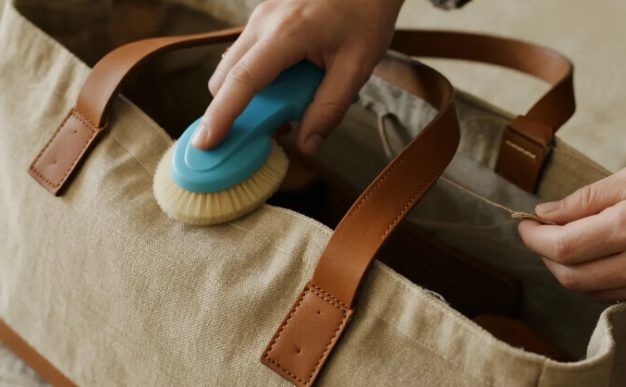
- A soft-bristled brush — a soft nailbrush, a dedicated laundry brush, or even a clean toothbrush for spot areas. Avoid stiff wire brushes or abrasive scrubbing pads; they pull canvas fibers and create pilling.
- Clean white cloths or cotton rags for blotting
- White distilled vinegar (optional) — useful for deodorizing canvas and helping to release mild stains without bleaching
- A spray bottle for targeted pre-treatment
For machine washing:
- A mesh laundry bag (zipper type, large enough to hold the bag without folding it tightly)
- Mild liquid detergent, same specifications as above — avoid pods if the bag is delicate, as undissolved pod residue can leave concentrated patches
- No fabric softener. Fabric softener coats canvas fibers with a waxy film that affects how the fabric breathes and can cause a tacky surface over time
For stain pre-treatment:
- Dish soap (unfragranced) for oil-based stains
- Rubbing alcohol or hand sanitizer for pen and ink stains — apply to a cotton pad and blot, don’t rub
- Hydrogen peroxide (3%, undiluted) for organic stains on natural canvas — test in a hidden spot first
- Baking soda paste for odors embedded in the canvas body
Tools to avoid:
- Bleach in any form on colored or printed canvas — it destroys dye uniformity and weakens cotton fibers
- Stiff-bristled brushes that create surface fuzz
- Dryer sheets, which leave a residue similar to fabric softener
- Steam cleaners applied directly to screen prints — the heat can melt or bubble the ink layer
Having these materials ready before you begin means you’re not making decisions mid-process when the bag is wet and timing matters.
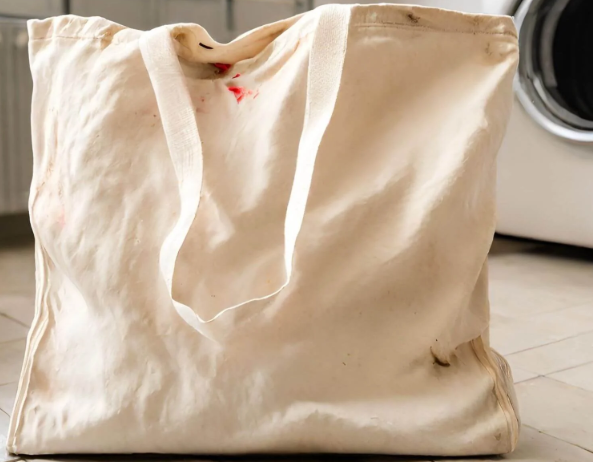
How to Hand Wash a Canvas Tote Bag Step by Step
Step 1: Empty and shake out the bag.
Remove everything from all pockets and compartments. Turn the bag upside down and shake it to remove loose debris — crumbs, dust, dried mud, and paper fragments. These particles can become abrasive slurry when wet and scratch surfaces or clog the weave.
Step 2: Treat stains before wetting the whole bag.
Apply your chosen stain treatment directly to soiled spots. For oil stains, apply a small drop of dish soap, gently work it in with a fingertip, and let it sit for five to ten minutes. For ink stains, dampen a cotton pad with rubbing alcohol and blot the spot from the outside edge toward the center — this stops the stain from spreading outward. Do not rub.
For ground-in dirt or mud, let the mud dry completely before attempting to remove it. Dried mud brushes off much more cleanly than wet mud; treating it wet pushes it deeper into the canvas weave.
Step 3: Fill the basin with cool or lukewarm water.
Add one to two teaspoons of mild liquid detergent per gallon of water. Swirl to distribute. The water should feel slightly slippery but not heavily soapy. Excess detergent is harder to rinse out completely and can leave a stiff residue in the canvas.
Step 4: Submerge the bag and let it soak.
Place the bag in the basin, turning it inside out if it has printed artwork on the outside. Press gently to fully saturate the canvas. Let it soak for ten to fifteen minutes. This loosens embedded dirt and allows the detergent to penetrate the weave without aggressive scrubbing.
Step 5: Scrub with the soft brush.
Focus the brush on heavily soiled areas — the base of the bag (which contacts surfaces most), the handles (where hand oils accumulate), and any areas with ground-in marks. Use circular motions with light pressure. There is no benefit to scrubbing hard; canvas fibers release dirt gradually with gentle agitation. Hard scrubbing creates surface pilling and can drag printed ink.
Scrub inside the bag as well. Interior linings — particularly cotton or polyester canvas linings — accumulate as much debris as the exterior and are often neglected.
Step 6: Rinse thoroughly.
Empty the basin and refill with clean cool water. Submerge the bag again and squeeze water through the canvas repeatedly until the rinse water runs clear and no soapy feel remains. Incomplete rinsing leaves detergent residue that stiffens the canvas when it dries and attracts new dirt faster.
For heavy fabrics, this may take two or three refills to rinse fully.
Step 7: Remove excess water without wringing.
Do not twist or wring the bag. Wringing distorts the shape of canvas — particularly the handles and corners — and can crack or crease screen-printed designs. Instead, press the bag firmly against the side of the basin, fold it gently, and press again. Wrap it in a clean dry towel and press to transfer water.
Step 8: Reshape and dry flat or hang.
Reshape the bag to its original form while still damp. Adjust the handle attachment points so they sit flat, pull the base corners square, and smooth any creases in the panels. Hang to air dry in a shaded, well-ventilated area, or lay flat on a clean dry surface. Keep canvas away from direct sunlight during drying — UV exposure fades both the fabric and printed artwork.
Drying time depends on canvas weight and humidity. Heavy 12 oz cotton canvas can take 12 to 24 hours to dry completely. Check the interior and base before declaring it dry — these areas retain moisture longest.
How to Machine Wash a Canvas Tote Bag Safely
Machine washing is faster, but the margin for error is smaller. Following these steps precisely makes the difference between a bag that comes out clean and one that comes out misshapen or damaged.
Turn the bag inside out before loading. This protects exterior printing, embroidery, and any decorative hardware from direct drum contact and from rubbing against other items.
Place the bag in a mesh laundry bag. This is not optional for decorated or custom bags. The mesh bag reduces friction against the drum and prevents handles from wrapping around the drum and pulling seams under load.
Wash alone or with similar-weight canvas items. Mixing heavy canvas with lightweight garments creates an unbalanced load and causes the heavier items to beat against lighter ones. Canvas bags are heavy when wet — even a single medium tote can pull other garments during the spin cycle.
Select the correct machine settings. Use the delicate or gentle cycle. Set the water temperature to cold or cool (maximum 30°C / 86°F). Choose a slow spin speed — high-speed spin extracts more water but increases mechanical stress on seams and handles.
Use a small amount of mild liquid detergent. One tablespoon for a standard canvas tote is sufficient. More detergent does not mean a cleaner result; it means more rinsing required and greater residue risk.
Skip the dryer entirely. This is the most important rule in machine washing canvas. Even a low heat dryer setting can shrink cotton canvas, melt or distort screen-print inks, buckle laminated panels, and cause embroidered logos to pucker or shift. Air drying is the correct method, every time.
After the cycle ends, remove the bag promptly. Canvas left sitting in the drum while damp develops a mildewed smell quickly, and that odor bonds to natural cotton fibers in ways that require multiple re-washings to eliminate.
Reshape the bag immediately and follow the same drying steps as for hand washing.
How Do You Remove Tough Stains from a Canvas Tote Bag?
Standard washing handles surface grime well, but some stains need targeted treatment. The approach varies significantly depending on the stain type.
Grease and oil stains are among the most common on canvas tote bags used to carry food products, samples, or equipment. Apply undiluted dish soap directly to the stain. Work it in with a fingertip or soft brush — the soap emulsifies the oil, making it water-soluble. Let it sit for at least ten minutes before rinsing. For deep grease stains in heavy canvas, applying a small amount of baking soda over the dish soap and letting the paste dry before brushing off provides additional absorption.
Ink and ballpoint pen stains respond well to rubbing alcohol or isopropyl alcohol. Soak a cotton ball or pad and blot the stain from the outside edge inward. Avoid rubbing, which spreads the ink into surrounding fibers. Reapply fresh alcohol to a clean section of cotton as each section picks up ink. This method works on most permanent inks and ballpoint stains, though it may require multiple applications.
Mold and mildew stains on canvas appear as dark spots with a musty odor — common in bags stored while damp. Mix equal parts white distilled vinegar and water and apply to the affected area. Let it sit for fifteen minutes, then scrub with a soft brush. For severe mold penetration, a diluted hydrogen peroxide solution (one part 3% peroxide to three parts water) can be applied carefully. Test on a hidden area first — peroxide can lighten some dyed canvas.
Rust stains from metal hardware are stubborn and require an acid-based treatment. Lemon juice or white vinegar applied directly to the rust stain, left for thirty minutes, then scrubbed with a brush and rinsed thoroughly will lift most surface rust marks. Commercial rust remover designed for fabric works for deep stains but must be tested first on natural canvas — some formulations discolor the fiber.
Food stains (coffee, juice, sauce) should be treated as quickly as possible. Fresh food stains are water-soluble and respond to cold water flushing from the reverse side of the fabric. Flush from the back so the stain is pushed out of the weave, not deeper into it. Adding a small amount of white vinegar to the rinse water after flushing helps neutralize tannins from coffee and tea.
Mud and ground-in soil should always be allowed to dry fully before treatment. Trying to clean wet mud spreads it and drives particles deeper into the weave. Once dry, brush off as much as possible with a stiff-bristled brush (this is one case where a stiffer brush is appropriate, applied before the fabric is wet). Then proceed with the standard hand wash method.
One principle that applies to all tough stains: treat before a full wash, not after. Washing an untreated stain in hot or warm water can set the stain permanently, particularly proteins (blood, egg) and tannin-based stains (wine, tea). Cold water and pre-treatment are always the correct sequence.
A word on bleach: even diluted bleach should be avoided on canvas tote bags with any printed or dyed content. Bleach breaks down cotton fibers over time, weakens seam threads, and reacts unpredictably with screen-print inks — often creating orange or brown discoloration rather than removing a stain. For white or natural unprinted canvas, oxygen-based bleach (sodium percarbonate) is a safer alternative that whitens without the fiber-degradation effects of chlorine bleach.
Conclusion
Washing a canvas tote bag correctly comes down to a few consistent principles: check before you wash, match the method to the fabric and construction, treat stains before full immersion, and always air dry. Skipping any of these steps shortens the functional life of the bag — and for custom-decorated or branded pieces, one wrong machine cycle can undo the quality of the original product.
For those who work with canvas tote bags at a sourcing or production level, understanding washability starts at the material and construction stage, not after the bag is already in the field.
If you’re currently sourcing or developing canvas tote bags — whether for retail, promotional use, corporate gifting, or branded merchandise — Hetebag is a manufacturer based in Huadu, Guangzhou, China, with over 15 years of bag production experience. Working with multiple factories and maintaining full OEM and ODM capabilities, we produce canvas tote bags across a wide range of weights, constructions, and customization requirements. Our products ship to more than 70 countries and are built to meet the quality standards that make sourcing straightforward.
If you’re evaluating manufacturers or looking to develop a new bag program, we’d be glad to hear from you. Leave your contact details on our website and our team will reach out directly to discuss your project requirements. We look forward to working with you.
Frequently Asked Questions
Can I put a canvas tote bag in the washing machine every time it gets dirty?
Not necessarily. Machine washing is suitable only for heavy-duty, plain canvas bags or those that the care label explicitly allows. Delicate, printed, or mixed-material bags are safer to hand wash.
How do I prevent printed logos or embroidery from fading or peeling?
Always turn the bag inside out before washing, avoid high heat, and use gentle detergent. For machine washes, placing the bag in a mesh laundry bag reduces friction and protects prints and stitching.
What is the best way to remove oil or grease stains from a canvas tote bag?
Apply undiluted dish soap directly to the stain, gently work it in, and let it sit for 10–15 minutes before rinsing. For heavy stains, a baking soda paste can help absorb excess oil.
Can I use bleach on a colored or printed canvas tote bag?
No. Bleach damages cotton fibers, weakens seams, and can discolor printed or dyed areas. For natural or white canvas, oxygen-based bleach is safer if needed.
How long does it take for a canvas tote bag to dry after washing?
Drying time depends on canvas weight and humidity. Lightweight canvas may dry in a few hours, while heavy 12 oz canvas can take 12–24 hours. Always reshape the bag and air dry in a shaded area.
Are there special considerations for canvas tote bags with leather, laminated, or metal parts?
Yes. Leather, laminated panels, and metal hardware require hand washing and careful drying. Keep these areas from prolonged water exposure and avoid high heat to prevent damage.


