
 English
  Italian
  French
  German
  Spanish
  Arabic
 If you are purchasing custom bags for brand events, sports competitions, school projects or gym facilities, drawstring bags and backpacks are likely to be on your list of choices. They are both practical products and suitable for logo customization, but the scenarios they are suitable for are different.
The advantages of the drawstring bag lie in its light weight, low cost, quick production, and suitability for large-scale promotion; while the advantage of the backpack is its larger capacity, better structure, and longer usage time, making it more suitable for building a higher value brand image.
For the buyers, the most important thing is not to choose the “ones that look better”, but to choose the “ones that are more suitable for the goals of this project”. Hetebag is a manufacturer specializing in customizing various types of bags. Therefore, in this article, I will help you make a judgment from the perspective of actual purchasing, on how to choose between drawstring bags and backpacks.
Understanding the Basic Difference Between Drawstring Bags and Backpacks
What Is a Drawstring Bag?
A drawstring bag is about as simple as bag construction gets. Two cords run through a fabric tunnel at the top, and pulling them closes the bag while creating shoulder straps at the same time. There’s no zipper, no hardware, and usually just one main compartment.
That simplicity is exactly why drawstring bags dominate bulk promotional orders. Fewer components mean faster production, lower material costs, and a much shorter lead time compared to structured bags. For a factory, a drawstring bag might take a fraction of the sewing time a backpack needs, which directly affects how quickly you can get inventory in hand before an event.
What Is a Backpack?
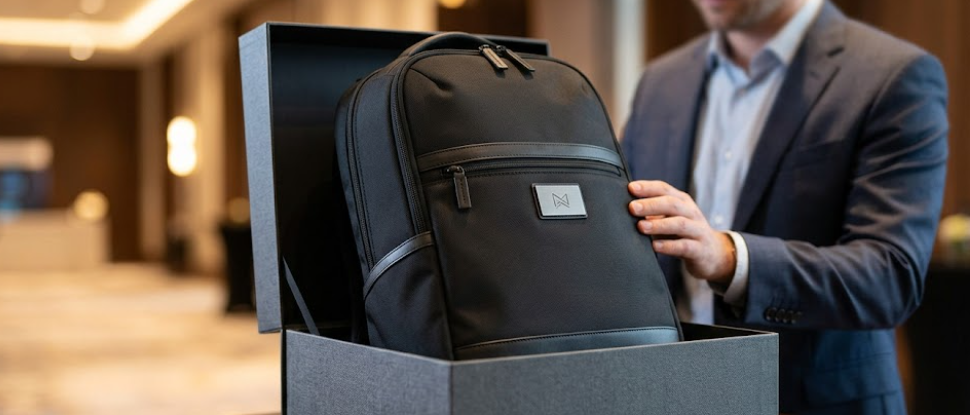
A backpack is a structured, multi-compartment bag carried on both shoulders using padded or adjustable straps. It typically includes zippers, reinforced stitching, a rigid or semi-rigid back panel, and often extra pockets for organization.
Backpacks require more fabric, more hardware, and considerably more skilled labor during construction. Every zipper insertion, every strap bar-tack, and every pocket lining adds assembly time. That’s not a downside — it’s what makes a backpack durable enough for daily use over months or years instead of a single event.
Why Buyers Often Compare These Two Bag Types
Buyers land on this comparison for one of two reasons. Either they’re planning a promotional campaign and trying to decide how much to spend per unit, or they’re outfitting a sports team or gym and need something that survives repeated use. Both scenarios involve a tradeoff between unit cost and perceived value, and that tradeoff is really what this whole comparison comes down to.
Drawstring Bags for Sports and Promotional Use
Lightweight and Easy to Carry
A drawstring bag weighs almost nothing empty, which makes it ideal for quick trips to the gym, a swim class, or a weekend sports camp. Kids and teens especially favor them because there’s nothing to fumble with — just cinch the cords and go. For sports use, this simplicity is genuinely functional, not just cheap packaging.
Suitable for Events, Gyms, Schools, and Giveaways
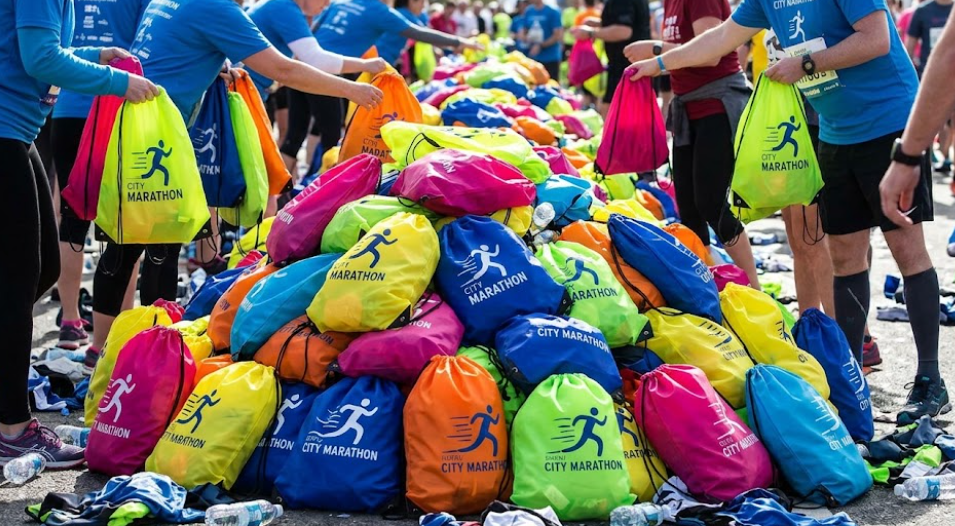
Marathon organizers, school sports days, and gym membership drives lean heavily on drawstring bags because they solve a specific problem: how do you hand out hundreds or thousands of branded items without blowing the budget? A drawstring bag lets a brand reach a large audience with minimal per-unit spend, and the bag still gets used for weeks or months afterward for things like gym clothes, shoes, or pool gear.
If you’re weighing drawstring bags specifically against another common alternative, our breakdown on gym bags versus backpacks for fitness enthusiasts covers a related comparison worth reading before you finalize your order.
Best Custom Options for Logos and Branding
Drawstring bags offer a large, flat front panel that’s practically built for logo printing. Screen printing, heat transfer, and embroidery all work well on this surface, and because the bag has no seams cutting through the print area, your logo prints clean and large. Many buyers also customize the cord color to match brand palettes, which is a small detail that noticeably lifts the finished look.
Backpacks for Sports and Promotional Use
More Storage Space and Better Structure
A backpack simply holds more, and it holds it in an organized way. Separate compartments for shoes, water bottles, electronics, or training gear mean the user isn’t digging through one giant pocket to find their keys. For anyone running actual training sessions, tournaments, or multi-day sports camps, that structure matters far more than it does for a single-day event.
Better for Long-Term Use and Daily Carry
Because backpacks use padded straps and reinforced stitching, they distribute weight better across the shoulders and back. This isn’t a small detail if the bag is going to see daily use for a school year or an entire sports season. A well-made backpack, especially one built with quality zippers and bar-tacked stress points, easily outlasts a drawstring bag by years rather than months.
Popular Custom Features for Brand Promotion
Backpacks give brands more real estate and more customization angles: front pocket embroidery, side mesh water bottle holders in brand colors, contrast-stitched zipper pulls, or even a woven label sewn into the lining. These details cost more to produce, but they also signal a premium brand image that a simple drawstring bag can’t replicate. If your promotional strategy leans toward VIP gifts or loyalty rewards rather than mass giveaways, this level of detail pays off. Our custom backpack options walk through the specific customization paths available for bulk orders.
Drawstring Bag vs Backpack: Key Differences Buyers Should Know
The table below sums up the practical differences you’ll actually run into during sourcing conversations.
| Factor | Drawstring Bag | Backpack |
|---|---|---|
| Average unit cost | Low | Moderate to high |
| Production lead time | Short | Longer |
| Storage capacity | Single compartment, limited | Multiple compartments, high |
| Carrying comfort | Basic, thin straps | Padded, ergonomic |
| Durability | Good for short-term use | Built for long-term daily use |
| Best branding space | Large flat front panel | Front pocket, side panels, zipper pulls |
| Typical use case | Giveaways, events, gym extras | Training gear, school, travel |
Capacity and Carrying Comfort
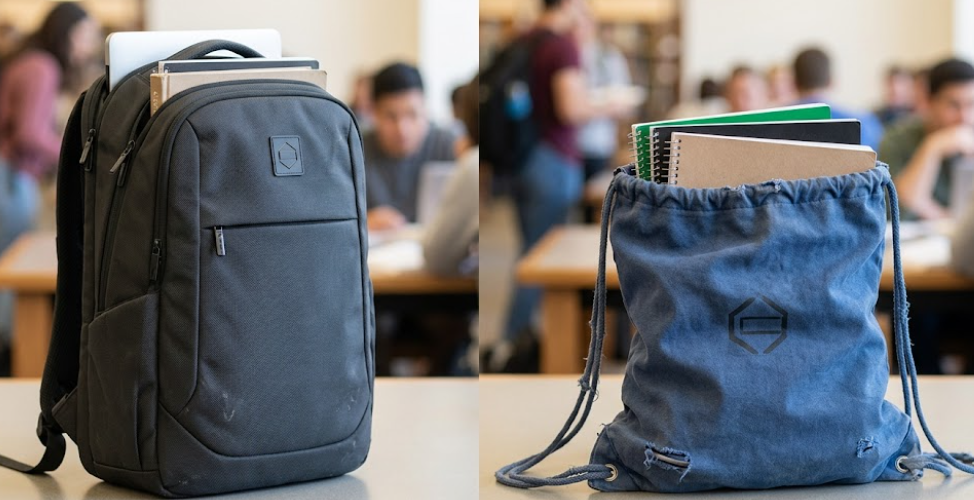
Capacity is the most obvious difference, but comfort matters just as much once a bag is loaded. A drawstring bag with thin cord straps starts digging into shoulders once you add shoes, a water bottle, and a jacket. A backpack, with its wider padded straps, handles that same load without complaint. If your end user will be carrying the bag for more than a short walk, comfort should weigh heavily in your decision.
Material, Durability, and Cost Considerations
Material choice affects both bag types, but the stakes are different. A drawstring bag made from lightweight polyester or nylon works fine because it’s not carrying much weight or facing daily wear. A backpack needs a heavier-denier fabric, often 600D or 900D polyester, plus reinforced bottom panels, because it’s absorbing far more stress over its lifetime. If sustainability matters to your brand positioning, it’s worth asking your factory about RPET or GRS-certified recycled materials for either bag type — many buyers are shifting in this direction for exactly that reason. You can review material-specific options on our bag materials page.
Logo Placement and Brand Visibility
A drawstring bag’s single front panel means your logo gets seen the moment someone picks up the bag — there’s no competing pocket or zipper breaking up the design. A backpack spreads branding across multiple surfaces, which works well for a fuller brand story but means no single element dominates the way a drawstring bag’s front print does. Neither approach is wrong; it depends on whether you want maximum visibility or a more layered brand presence.
Which Bag Is Better for Sports Activities?
Drawstring Bags for Simple Sports Gear
For light sports gear — a change of clothes, a towel, indoor shoes — a drawstring bag does the job without unnecessary bulk. Swimming clubs, yoga studios, and youth sports leagues frequently choose drawstring bags precisely because the gear involved doesn’t require padded compartments or heavy-duty zippers.
Backpacks for Training, Travel, and Heavier Items
Once you’re talking about serious training equipment, cleats, protective gear, or multi-day travel to tournaments, a backpack becomes the practical choice. The structured compartments keep gear separated and protected, and the padded straps mean athletes aren’t dealing with shoulder strain after carrying a loaded bag across a campus or airport.
How to Choose Based on User Scenario
Think about frequency and load first. A one-time event with light gear points to a drawstring bag. Daily or weekly use with heavier equipment points to a backpack. It really is that straightforward once you separate the marketing goal from the functional goal — sometimes a buyer needs both bag types for different parts of the same campaign, which is common for gyms running both a signup promotion and an ongoing merchandise line.
Which Bag Is Better for Promotional Campaigns?
Drawstring Bags for Large-Quantity Giveaways
When the goal is maximum reach at minimum cost, drawstring bags win. Trade shows, marathons, school events, and conference swag bags all benefit from an item that’s cheap enough to produce in the thousands without straining a marketing budget. The bag doesn’t need to last forever — it needs to get your logo into as many hands as possible.
Backpacks for Premium Promotional Gifts
For smaller, high-value giveaways — think VIP client gifts, employee onboarding kits, or loyalty program rewards — a backpack signals more thought and more investment than a drawstring bag ever could. Recipients treat backpacks as genuine gifts rather than throwaway swag, which extends your brand’s visibility for months or years instead of weeks.
Matching Bag Type with Your Budget and Brand Image
Budget and brand positioning should drive this decision together, not separately. A budget-conscious mass giveaway calls for drawstring bags. A brand aiming for a premium, professional image with a smaller, targeted audience should lean toward backpacks. Mixing both — drawstring bags for general event attendees and backpacks for VIP guests — is a strategy we see work well across multiple industries, from tech conferences to corporate wellness programs.
How Hetebag Helps You Customize the Right Bag
Material, Size, Color, and Logo Customization
Every order starts with the details that actually affect performance: fabric weight, size dimensions, color matching to your brand palette, and logo application method. We work through each of these with buyers before production begins, because a mismatched material or an oversized bag causes problems that are far more expensive to fix after a bulk run than before one. Our custom logo bags page outlines the printing and embroidery methods we support for both drawstring bags and backpacks.
Sample Development Before Bulk Production
We don’t recommend jumping straight into a large order without a physical sample in hand. A sample confirms stitching quality, strap comfort, print accuracy, and material feel — things that photos and spec sheets simply can’t communicate. This step protects buyers from costly reorders and gives you something concrete to show internal stakeholders before committing to a full production run.
Choosing the Right Bag for Your Market
Different markets respond to different bag types. A buyer targeting budget-conscious event organizers will likely order drawstring bags in bulk, while a buyer building a premium corporate gifting line will lean toward backpacks with more refined finishing. Understanding your end market — not just your product — is part of what separates a good sourcing decision from a guess. We follow BSCI and ISO-aligned production practices, and we’re happy to walk through specific certification requirements if your brand has compliance standards to meet.
Conclusion
Drawstring bags and backpacks both have a real place in sports and promotional sourcing, and the right choice comes down to your specific goal rather than which bag looks more impressive on paper. If you need to reach a large audience fast and keep costs low, a drawstring bag delivers exactly that. If you’re building a longer-term brand relationship through daily use, a backpack is worth the extra investment.
Hetebag has spent 15 years manufacturing custom bags from our factory in Huadu, Guangzhou, working alongside multiple production partners to give buyers flexibility on material, structure, and order volume. Whether you’re planning a giveaway of thousands of drawstring bags or a smaller run of premium custom backpacks, we can help you get from concept to finished sample without the guesswork. If you’re currently looking for a bag manufacturer, leave your contact number on our website — we’d love to hear from you and look forward to working together.
Frequently Asked Questions
Is a drawstring bag cheaper than a backpack?
Yes. In most cases, a drawstring bag is more affordable because it uses less fabric, fewer accessories, and a simpler sewing process. This makes it a good choice for large events, school activities, gym promotions, and giveaways where buyers need a high quantity at a controlled cost.
Which is better for sports use, a drawstring bag or a backpack?
It depends on the type of sports activity. A drawstring bag is suitable for light items such as towels, T-shirts, shoes, or swimwear. A backpack is better for heavier gear, daily training, travel, or situations where users need more compartments and better carrying comfort.
Are drawstring bags good for promotional giveaways?
Yes. Drawstring bags are very popular for promotional giveaways because they are lightweight, easy to carry, and provide a large front area for logo printing. They are especially suitable for marathons, trade shows, school events, fitness clubs, and brand campaigns with large quantities.
When should I choose a backpack instead of a drawstring bag?
You should choose a backpack when you want the bag to be used for a longer time or when the end users need more storage space. Backpacks are also better for premium gifts, employee welcome kits, sports teams, corporate promotions, and brand campaigns where quality and perceived value matter more than the lowest unit cost.
Can I request a sample before placing a bulk order?
Yes. For custom bag orders, it is always recommended to make a sample before bulk production. A sample helps confirm the fabric, size, logo effect, stitching quality, strap comfort, and overall appearance before moving forward with a large order.


