
 Arabic
  English
  Italian
  French
  German
  Spanish
 A canvas tote may deliver the texture your brand wants but add unexpected weight or need different care after washing. A nylon version may feel lighter yet require another logo process or coating. Comparing canvas vs nylon bags means checking the finished design, carrying load, cleaning routine, and approved material specification.
This comparison focuses on canvas and nylon. If you are still considering polyester, leather, recycled fabrics, or other options, begin with our complete guide to materials for custom bags, then review the candidate specifications on the مواد تصنيع الحقائب حسب الطلب page.
What Are Canvas Bags?
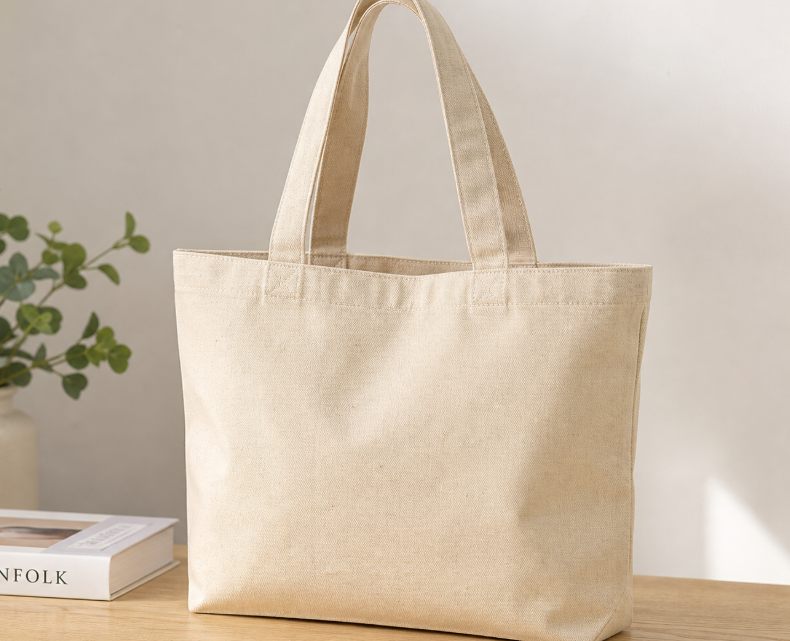
Canvas is a plain-weave textile, typically made from cotton, though modern versions often incorporate polyester or a poly-cotton blend. Its strength comes from the density of the weave and the weight of the yarn — not from synthetic chemistry. A heavier canvas (think 12 oz, 16 oz, or 18 oz per square yard) produces a stiff, structured fabric with impressive resistance to punctures and abrasion.
Common canvas types used in bag manufacturing:
- 100% Cotton Canvas — The most natural option. Soft to the touch, breathable, and visually warm. Accepts screen printing, heat transfer, and embroidery extremely well. Requires treatment to resist moisture.
- Poly-Cotton Canvas (65/35 blend) — The most practical option for volume production. Combines the natural appearance of cotton with better dimensional stability and easier care. Resists shrinking and wrinkling more reliably.
- Heavyweight Duck Canvas — A tighter, denser construction (often 18–24 oz/yd²) used for tool bags, workwear, and utility totes where serious load-bearing is expected. This is the material that earned canvas its reputation for toughness.
Canvas bags appear in a wide range of applications: grocery totes, open-top shopping bags, promotional giveaways, branded retail packaging, backpacks, and even structured حقائب اليد for lifestyle brands. The format is flexible. The aesthetic is consistent — natural, honest, grounded.
Why Canvas Dominates the Eco-Friendly Market
Cotton canvas can support a natural textile appearance and selected organic-fiber sourcing objectives. However, fiber origin alone does not establish lower life-cycle impact or make a finished bag biodegradable. Review coatings, printing, lining, thread, and hardware alongside sourcing evidence. Our eco-friendly bag material guide explains claim scope; the official GOTS overview explains organic textile certification.
That said, the sustainability story around canvas is more nuanced than it appears. Cotton cultivation is water-intensive. A canvas tote needs to be used many times to offset its production footprint compared to a single-use plastic alternative. When you source canvas bags for a brand, the durability of the finished product matters as much as the material origin.
What Are Nylon Bags?
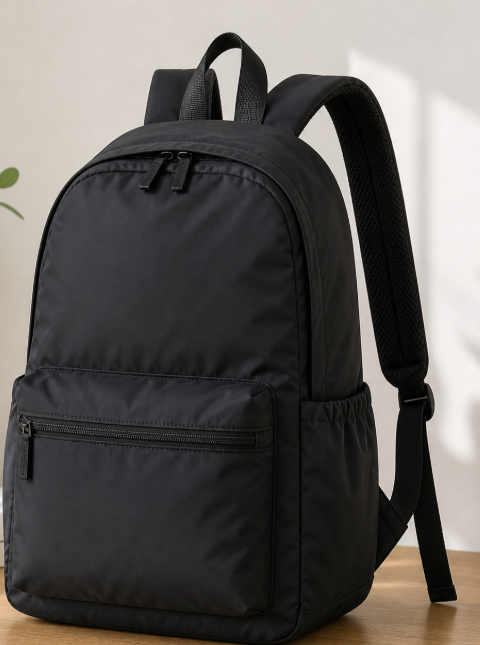
Nylon is a synthetic polyamide, originally developed in the late 1930s. It became a staple in bag manufacturing for one simple reason: its strength-to-weight ratio is extraordinary. A well-constructed nylon bag can handle substantial loads, resist abrasion from repeated rough handling, and shed water — all while weighing a fraction of what a comparable canvas bag would.
Common nylon types used in custom bag production:
- Standard Nylon (210D, 420D, 600D) — The denier number indicates yarn thickness. Higher denier = heavier, more durable fabric. 420D and 600D nylons are workhorses for mid-range custom bags — adequate for laptop bags, travel accessories, and light to medium-duty حقائب الظهر.
- Ripstop Nylon — Features a reinforcing grid pattern woven into the fabric that prevents small tears from spreading. Widely used in outdoor gear, ultralight packs, and waterproof accessories.
- Ballistic Nylon (1050D, 1680D) — Originally developed for military body armor. Extremely dense, tough, and resistant to tearing and abrasion. Used for heavy-duty duffels, luggage, and bags that face genuinely punishing treatment.
- Recycled Nylon (rNylon / ECONYL®) — Made from reclaimed fishing nets, fabric scraps, and pre-consumer waste. Functionally equivalent to virgin nylon but with a dramatically reduced environmental footprint. Growing in demand as brands seek sustainable options without sacrificing performance.
Nylon shows up wherever function leads the design conversation: commuter backpacks, gym bags, travel duffels, laptop sleeves, hydration packs, and technical outdoor gear. It excels in feature-heavy constructions — designs that require multiple compartments, compression systems, YKK zippers, MOLLE webbing, and complex ergonomic padding.
Why Nylon Fits the Functional Market
Performance-oriented brands choose nylon because their customers ask performance-oriented questions. Will this backpack survive an airport conveyor belt? Can I use this gym bag without worrying about a water bottle leaking through the fabric? Does this laptop bag protect what’s inside during a rainstorm?
Nylon answers these questions reliably. Its natural water repellency, combined with DWR (Durable Water Repellent) coatings or TPU lamination, produces bags that genuinely protect against moisture. Its abrasion resistance means a backpack worn five days a week will still look presentable after two years of commuting. For brands whose value proposition is built on reliability and utility, nylon consistently delivers.
Canvas vs Nylon Bags: Durability Comparison
This is the question most buyers ask first — and it’s genuinely complex. “Durability” isn’t a single property. It’s a cluster of different performance attributes, and canvas and nylon excel in different areas of that cluster.
| Durability Factor | قماش | النايلون |
|---|---|---|
| Tear Resistance | Good (cotton weave resists punctures) | Excellent (especially ripstop and ballistic) |
| Abrasion Resistance | Moderate (wears at stress points over time) | Excellent (nylon offers ~3x higher abrasion resistance than standard cotton canvas) |
| Load-Bearing Capacity | Excellent (heavy duck canvas is exceptionally strong for static loads) | Very Good (tensile strength is high but requires reinforced stitching at stress points) |
| مقاومة الماء | Poor without treatment (cotton absorbs moisture) | Good to Excellent (naturally water-repellent; can be enhanced with coatings) |
| UV Resistance | Moderate (cotton can fade and degrade with prolonged sun exposure) | Good (nylon is more stable under UV; some versions are UV-treated) |
| Repairability | Excellent (easy to patch, re-stitch, re-wax) | Moderate (requires adhesive patches or specialized repair) |
| Long-term Appearance | Ages well with use (develops character) | Can pill, fade, and show stress creasing over time |
| Weight under load | Heavier base weight; adds strain on long carry | Lighter; better for everyday all-day use |
For high-frequency daily use: Nylon typically holds up better under the specific conditions of modern urban life — brief showers, backpack friction against subway seats, daily scraping against desks and floors. Canvas is more vulnerable to edge fraying and stress-point wear under constant daily abrasion.
For static load and structural integrity: Heavy-duty canvas has few competitors. A properly constructed 18 oz duck canvas tote can carry dense, heavy loads that would stress-test even well-made nylon bags at their seams.
But canvas offers a different kind of durability — one that ages gracefully, repairs easily, and often outlasts expectations in real-world use when the application is matched correctly.
Canvas vs Nylon Bags: Aesthetics and Brand Positioning
Material choice shapes the entire visual and tactile identity of a bag. This is not a secondary consideration — for many brands, it’s the primary one.
The Canvas Aesthetic: Natural, Premium, Grounded
Canvas has a texture that photographs beautifully and feels substantial in the hand. The slight irregularity in weave, the warmth of natural cotton, the way a printed logo sits cleanly on a matte surface — these qualities read as premium, considered, and authentic. Canvas bags age in a way that’s forgiving and even desirable. A well-used canvas tote develops character. It tells a story.
For lifestyle brands, artisan food companies, organic skincare lines, bookstores, art galleries, and coffee roasters, canvas isn’t just a material. It’s the right material. It communicates values that their customers already hold: craftsmanship, sustainability, simplicity, and permanence.
The Nylon Aesthetic: Technical, Modern, Performance-Led
Nylon reads differently. It’s sleek, structured, and purposeful. Matte ripstop nylon in a deep navy or slate grey signals seriousness. High-gloss 420D nylon in bold colors communicates energy and speed. The material is inherently contemporary — it belongs to the world of travel systems, tech gear, and athletic performance.
For outdoor brands, fitness companies, technology businesses, and urban commuter labels, nylon fits naturally. Its performance associations are baked into the material itself. You don’t have to explain what the bag does — the fabric communicates it.
Logo and Print Quality: Which Material Wins?
For screen printing and heat transfer: canvas is the superior substrate. The matte, slightly porous surface of cotton canvas allows inks to saturate fully, producing vibrant, sharp prints that last. Full-color designs, gradient artwork, and fine typographic details all render better on canvas than on nylon.
Nylon’s smooth, slightly reflective surface can cause ink adhesion challenges. Heat transfer on nylon requires careful temperature control to avoid fabric distortion. Embossing and embroidery, however, work well on heavier nylon fabrics — particularly on structured bags with padded panels.
Bottom line for brand customization: Canvas is the better choice when logo placement and print quality are central to the brief. Nylon is a stronger choice when structural customization — pockets, loops, attachment systems — matters more than surface decoration.
Canvas vs Nylon Bags: Cost and Production Factors
Understanding cost in bag manufacturing isn’t just about comparing material prices per meter. It requires thinking about the full production picture: processing complexity, weight (which affects shipping), MOQ requirements, and where you’re positioned on the value chain.
Raw Material Costs
In general, cotton canvas fabric costs more per square meter than standard nylon fabrics at comparable performance levels. High-quality 16 oz organic cotton canvas can be significantly more expensive than 600D ripstop nylon. However, heavier technical nylons — ballistic nylon, high-denier cordura — close that price gap quickly.
Recycled nylon (rNylon) commands a premium over virgin nylon — typically 15–25% more — but that premium has been steadily decreasing as production volumes scale globally.
Processing and Construction Complexity
Canvas bags are generally simpler to cut and sew. Heavier duck canvas can be challenging for high-speed industrial machinery and may require slower production speeds, but the construction methods are well-understood. Finishing techniques like edge binding, wax coating, and canvas reinforcement are straightforward and cost-effective.
Nylon bags with complex features — frame systems, integrated rain covers, multi-panel constructions, mesh pockets — require more sophisticated manufacturing processes. Each functional addition adds cost. A simple 420D nylon drawstring bag is inexpensive to produce. A technical 1680D ballistic nylon carry-on with ergonomic shoulder straps and custom hardware is a very different project.
MOQ (Minimum Order Quantity) Considerations
For custom canvas bags, standard MOQs at most Chinese manufacturers start around 300–500 pieces for simpler designs and scale down if you’re working with a factory that carries cotton canvas in stock colors. Custom-dyed canvas or specialty weaves will require higher minimums.
Custom nylon bags with unique hardware, custom denier specifications, or proprietary fabric treatments typically require higher MOQs — often 500–1,000+ pieces — because fabric and hardware procurement involves more lead time and commitment.
Weight and Shipping Costs
This factor is often overlooked but meaningfully affects landed cost. Canvas is heavier than nylon, typically by 30–50% for equivalent bag sizes. When you’re shipping thousands of units internationally, that weight difference adds up in freight costs. For brands managing tight landed-cost targets, nylon’s lighter weight is a real financial advantage.
Cost Control in Wholesale Sourcing
The most effective lever for controlling cost in custom bag production — for both canvas and nylon — is consolidation. Working with a manufacturer who handles multiple bag types, maintains relationships with fabric mills, and can offer flexible MOQs gives you considerably more pricing leverage than sourcing from a narrow specialist.
Which Material Works Best for Each Bag Type?
Tote Bags: Canvas Has a Clear Advantage
The tote bag format is where canvas performs most naturally. Its structured weight, excellent printability, and eco-associations make it the default choice for retail packaging, grocery bags, conference giveaways, and brand promotional products. The open-top construction plays to canvas’s strength: it needs no complex zipper systems or water resistance. A well-made 12 oz cotton canvas tote is one of the most reliable, cost-effective, and brand-friendly custom bags available.
Nylon tote bags exist and serve specific use cases — particularly where water resistance or extreme lightness matters — but they rarely match canvas in visual impact for branding purposes.
Backpacks: Nylon Has the Edge
Modern backpacks ask a lot from their materials. Shoulder strap attachment points, laptop compartments, hip belt systems, compression straps — all of these create stress concentrations that benefit from nylon’s superior abrasion and tear resistance. The lighter weight also matters: a commuter carrying a 15″ laptop plus daily essentials will feel the weight difference between a canvas and nylon backpack over a full day.
Canvas backpacks are an excellent choice for heritage-oriented brands, casual daypacks, and structured lifestyle pieces where aesthetics drive the brief. But for functional, feature-rich backpack designs, nylon is the more logical material.
Cosmetic and Makeup Bags: It Depends on Market Positioning
For mid-range and accessible cosmetic bags, nylon is practical and popular. It’s easy to wipe clean, water-resistant (important when contents include liquids), and takes well to colorful print treatments. The lightweight quality is appreciated in travel and toiletry contexts.
For premium beauty brands or artisan cosmetics lines, canvas cosmetic pouches — particularly in waxed or coated canvas — communicate craftsmanship and quality that nylon simply doesn’t match. The choice here should be driven entirely by brand positioning and price point.
Promotional and Advertising Bags: Canvas for High-Impact Branding, Nylon for Practicality
High-volume promotional bags are often canvas: non-woven polypropylene is the cheapest option, but cotton canvas reads as premium and is kept far longer by recipients. A canvas tote given away at a trade show becomes a usable, visible brand ambassador in a way that a generic nylon bag rarely does.
For events where functionality is the priority — outdoor conferences, sports events, corporate wellness programs — nylon bags (drawstring packs, fanny packs, lightweight duffels) are more appropriate. They’ll be used actively and need to perform.
High-End Custom Lines: The Decision Is Strategic
For luxury or premium custom bag collections, the material choice must align precisely with brand narrative. Canvas in waxed, heavyweight, or specialty-dyed forms can achieve genuinely premium outcomes — particularly for slow-fashion, heritage, and artisan brands. Ballistic nylon or high-denier cordura communicates premium performance for technical and outdoor brands.
Neither material is inherently more premium than the other. What determines the quality perception is execution: construction quality, hardware, lining, stitching, and how well the material choice serves the brand story.

For supplier shortlisting after the material brief is defined, our custom bag manufacturers in China guide provides a separate reference.
الخلاصة
There’s no universal answer. There is a right answer for your specific situation, and reaching it requires thinking clearly about three things simultaneously.
Choose canvas when: Your audience connects with natural materials, sustainability, and tactile quality. Your brand identity is grounded in lifestyle, heritage, or environmental values. Logo placement and print quality are central to the product brief. The bag type is a tote, shopping bag, or open-carry format. You’re producing for retail sale or branded gifting at accessible to mid-range price points.
Choose nylon when: Your audience prioritizes function, portability, and weather performance. The bag design includes complex features: multiple compartments, zippers, attachment systems, ergonomic padding. Water resistance is a baseline requirement. The finished product will be used in demanding environments — travel, outdoor activity, daily commuting. You need to minimize shipping weight to control landed costs.
When neither decision is obvious: Think first about the end user’s primary question. If they’re asking “Does this bag look and feel good?” — canvas is probably the right foundation. If they’re asking “Does this bag protect what’s inside and survive real use?” — nylon is likely the stronger choice.
Working with a manufacturer who has genuine experience in both materials — and who can show you finished samples in both — will sharpen your thinking faster than any written guide can.
في هيتباغ, we’re a bag manufacturer based in Huadu, Guangzhou, China, with over 15 years of production experience and partnerships across multiple specialized factories. We work with both canvas and nylon across a wide range of bag types — from cotton canvas totes and promotional bags to technical nylon backpacks and travel accessories. Whether you’re developing a new product line or scaling an existing one, we can help you select the right material, refine the construction, and source the most cost-effective solution for your order size.
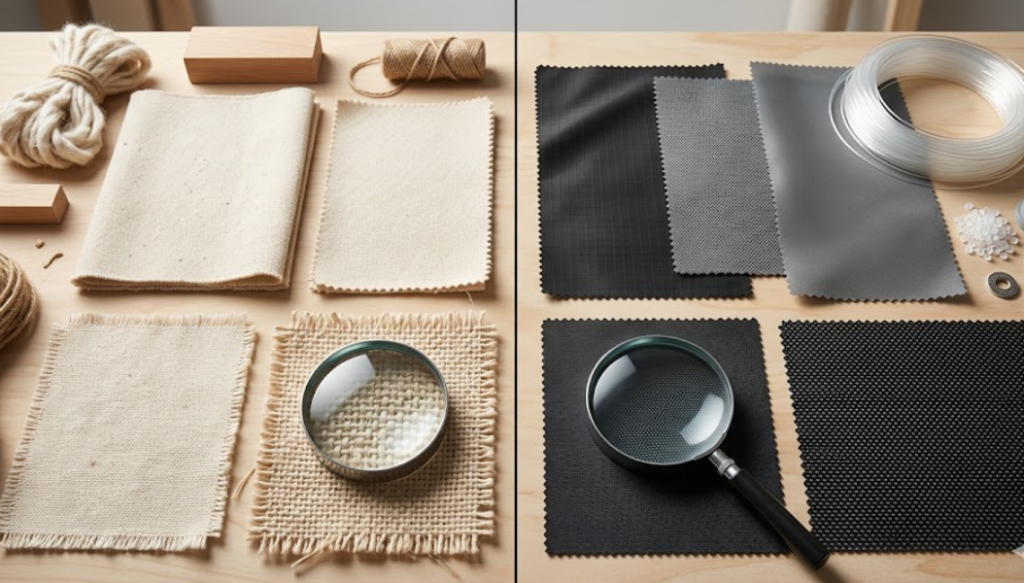
Before ordering, compare swatches with their GSM, weave, coating, and care requirements, then evaluate the logo and load-bearing seams in a representative bag sample. Request material recommendations with your intended use, dimensions, quantity, and branding requirements.


