
 Italian
  English
  French
  German
  Spanish
  Arabic
 Le linee di borse a marchio privato spesso perdono di orientamento quando ogni modello viene scelto esclusivamente in base all’aspetto estetico. I prodotti possono sembrare attraenti singolarmente, ma diversi modelli finiscono per rivolgersi allo stesso tipo di cliente, contenere gli stessi oggetti e competere per lo stesso spazio all’interno della collezione. Le collezioni più riuscite assegnano a ogni borsa un ruolo ben definito.
Gli otto modelli di borse da donna descritti di seguito soddisfano esigenze diverse, dagli spostamenti quotidiani e dallo shopping senza dover tenere le mani libere agli eventi serali e agli acquisti dettati dalle tendenze. Ogni modello presenta inoltre diverse sfide produttive relative alla struttura, alla resistenza dei manici, al comportamento dei materiali, al peso delle finiture metalliche, alle dimensioni dell’apertura e al posizionamento del logo.
Dopo aver lavorato per molti anni nel settore delle borse da donna su misura, ho imparato che la silhouette è solo il punto di partenza. Gli acquirenti devono anche capire come si presenta la borsa quando viene indossata, come manterrà la sua forma dopo un uso ripetuto e se il campione approvato possa essere riprodotto in modo coerente nella produzione in serie.
Creare la giusta combinazione di borse per il tuo marchio privato
Parti dalle abitudini della cliente piuttosto che da un elenco di modelli di tendenza. Pensa a cosa porta con sé, dove usa la borsa, per quanto tempo la indossa e se per lei contano di più la capienza, la sicurezza, la leggerezza o l’impatto visivo. Questi dettagli ti aiutano ad attribuire uno scopo commerciale a ogni modello.
La maggior parte delle collezioni a marchio proprio funziona meglio quando combina prodotti di base affidabili con un numero più limitato di modelli di grande impatto. Le borse a tracolla, le borse a spalla e le cartelle possono costituire la base funzionale. Le borse hobo, a secchiello, con manico superiore, le pochette e le mini-borse possono poi conferire un carattere più marcato, legato alla stagione o specifico del marchio.
| Modello di borsa | Ruolo nella collezione | Punto centrale del progetto edilizio | Rischio comune legato allo sviluppo |
|---|---|---|---|
| Borsa a tracolla | Stile essenziale per tutti i giorni | Abbassamento della cinghia e accesso all'apertura | La fascia stringe sotto il braccio |
| Borsa a tracolla | Uno stile quotidiano senza pensieri | Ancoraggi delle cinghie e regolabilità | La borsa si torce o si inclina quando è carica |
| Borsa a tracolla | Abbigliamento formale o stile smart-casual | Rinforzo della struttura e simmetria | I pannelli si deformano o diventano troppo pesanti |
| Borsa Hobo | Stile di vita rilassato | Caduta e ripresa controllate | La forma sembra piatta o instabile |
| Borsa a secchiello | Stile casual di tendenza | Forma di base e movimento del cordoncino | Una volta aperta, diventa difficile chiuderla |
| Borsa con manico superiore | Uno stile raffinato e inconfondibile | Montaggio del manico e bilanciamento del corpo | La base della maniglia tira il pannello superiore |
| Borsa a mano | Stile per ogni occasione | Struttura compatta e design interno snello | Il pannello frontale si sgualcisce durante l'uso |
| Mini borsa | Componente aggiuntivo di tendenza | Capacità utilizzabile e hardware scalabile | L'interno diventa troppo piccolo per essere funzionale |
Durante la prima fase di sviluppo, è importante tenere sotto controllo il numero di materiali, finiture di placcatura, rivestimenti e componenti personalizzati. L’utilizzo di materiali o componenti in comune tra modelli correlati può migliorare la coerenza visiva e ridurre le variazioni di tonalità tra i prodotti. Gli acquirenti possono esaminare i prodotti disponibili Opzioni di produzione personalizzata di borse prima di decidere quali modelli includere nella collezione iniziale.
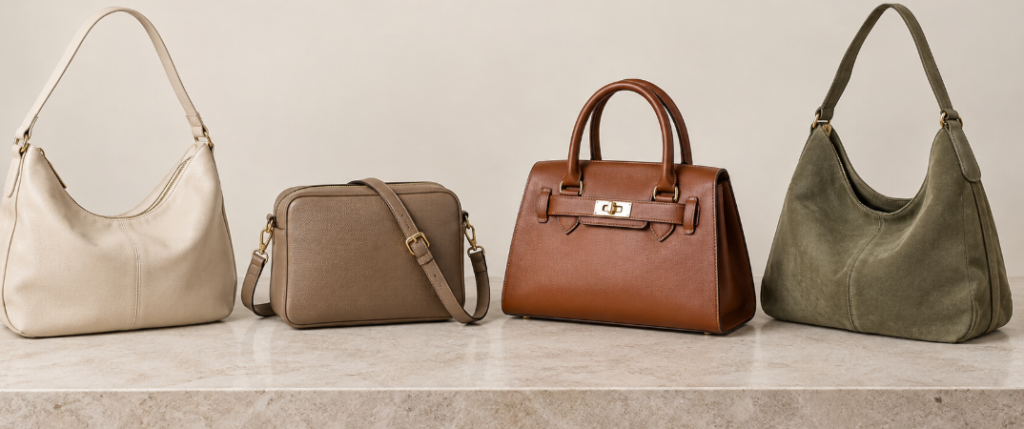
Borse a tracolla personalizzate per le collezioni di moda di tutti i giorni
Le borse a tracolla sono spesso articoli che vengono riacquistati più volte, poiché si adattano perfettamente al lavoro, allo shopping, ai viaggi e all’uso quotidiano. Il loro successo dipende in gran parte dall’altezza della tracolla. I disegni dei prodotti dovrebbero indicare la distanza verticale tra il bordo superiore della borsa e la parte inferiore della tracolla, poiché la lunghezza complessiva della tracolla da sola non è sufficiente a determinare come la borsa si posizionerà sotto il braccio.
Anche la larghezza della tracolla influisce sul comfort e sull’aspetto. Le tracolle strette si adattano bene alle borse alla moda dalle dimensioni compatte, ma concentrano la pressione quando la borsa è piena. Le tracolle più larghe distribuiscono il peso in modo più confortevole, ma possono risultare troppo imponenti su una silhouette piccola. Il rinforzo dovrebbe estendersi oltre il punto di fissaggio visibile, specialmente quando la tracolla è fissata tramite un anello metallico o una linguetta di pelle stretta.
Durante il campionamento, è necessario prestare particolare attenzione all’apertura. Le cerniere posizionate troppo vicino alla cinghia risultano scomode da azionare, mentre le chiusure magnetiche richiedono una stabilità sufficiente del pannello per allinearsi in modo naturale. Di solito controlliamo il campione quando è vuoto, leggermente riempito e caricato fino al peso di prova concordato, poiché ciascuna di queste condizioni mette in luce un diverso problema di equilibrio.
Il branding funziona al meglio quando tiene conto della posizione in cui viene indossato il capo. I loghi in metallo e i marchi in rilievo devono rimanere visibili sotto il braccio di chi indossa il capo, senza trovarsi in una zona soggetta a forte attrito. Per il branding interno si può ricorrere a un’etichetta tessuta, a una fodera stampata, a una toppa in pelle o a un pannello della tasca stampato, quando il design esterno richiede una finitura più discreta.
Borse a tracolla personalizzate per l'uso quotidiano senza mani
Le borse a tracolla esercitano una forza più continua sulle loro cinghie rispetto a molti altri modelli di borse da donna. La cinghia tira in diagonale attraverso la borsa, il che può causare l’inclinazione del corpo della borsa, la deformazione della cucitura laterale o il distacco della linguetta di fissaggio. Il materiale di rinforzo deve distribuire la forza su tutto il pannello, anziché concentrarla su pochi punti di cucitura.
La regolazione della cinghia deve tenere conto delle posizioni di utilizzo realistiche, sia con indumenti leggeri che con capispalla più pesanti. Il cursore deve mantenere la propria posizione anche dopo ripetuti movimenti. Se la fettuccia è troppo liscia o la fessura della fibbia è troppo ampia, la cinghia si allunga gradualmente durante l’uso. Le estremità della cinghia devono inoltre essere rifinite in modo accurato, in modo che non si arriccino, non si sfilaccino né si impiglino nei vestiti.
La progettazione interna deve consentire l’utilizzo con una sola mano. Le tasche per il telefono devono avere spazio sufficiente attorno all’apertura, gli scomparti per le carte devono essere posizionati lontano dai dentini della cerniera e lo scomparto principale deve rimanere accessibile mentre la borsa è indosso. Le caratteristiche di sicurezza possono includere una cerniera superiore, un’apertura coperta, una patta o una tasca interna per oggetti di valore, a seconda del mercato di riferimento.
Il peso dell'attrezzatura può influire sull'intera esperienza di utilizzo. Catene pesanti, moschettoni sovradimensionati e regolatori metallici spessi possono sembrare di alta qualità quando li si osserva su un tavolo, ma risultano scomodi dopo un'ora di utilizzo. Gli acquirenti possono confrontare Opzioni personalizzate per gli accessori delle borse prima di approvare i tipi di cerniere, le fibbie, gli anelli, le finiture di placcatura e i componenti del logo.
Borse a tracolla personalizzate per collezioni di borse strutturate
Le borse a tracolla trasmettono un senso di ordine e stabilità grazie alla loro forma verticale, agli angoli ben definiti, ai manici e ai soffietti ben controllati. Questo aspetto pulito deriva da un sistema strutturale completo piuttosto che da un unico materiale esterno spesso. Il tessuto esterno, il rivestimento interno, la schiuma, il pannello di rinforzo, il bordino, la fodera e la realizzazione delle cuciture contribuiscono tutti a determinare la forma finale.
Un rinforzo eccessivo rende il prodotto rigido e pesante. Un rinforzo insufficiente fa sì che il pannello frontale si deformi intorno alle tasche o ai supporti delle maniglie. L'approccio migliore consiste nel rinforzare le zone portanti e gli ampi pannelli visibili in base alla loro effettiva funzione. Gli angoli potrebbero richiedere una flessibilità controllata, in modo da poter essere cuciti in modo netto senza risultare ingombranti.
La simmetria è uno dei segni distintivi più evidenti di una borsa a tracolla. La posizione dei manici, i bordi della patta, le linee delle cerniere, la profondità dei soffietti, i piedini e la posizione del logo devono essere misurati rispetto a punti di riferimento fissi. Anche piccoli errori di allineamento risultano molto evidenti, poiché la silhouette offre all’occhio delle linee rette con cui effettuare il confronto.
Lo spessore del materiale deve essere confermato prima di finalizzare il modello. Il passaggio dal PU morbido alla pelle più spessa comporta variazioni nel margine di piegatura, nello spessore dei bordi, nei requisiti di scivellatura, nella tensione del punto e nelle dimensioni finali. Le borse da donna personalizzate con struttura rigida devono essere riprogettate qualora il materiale principale subisca modifiche sostanziali, anche se la grafica rimane invariata.
Borse Hobo personalizzate per uno stile morbido e disinvolto
Le borse Hobo puntano sulla morbidezza del tessuto, il che le fa sembrare meno “tecniche” rispetto alle borse strutturate. La forma richiede comunque un’attenta progettazione. L’orientamento dei pannelli, la morbidezza del materiale, il peso della fodera, l’ampiezza dell’apertura e la struttura del manico determinano se la borsa assumerà una curva controllata o se semplicemente si affloscerà.
La pelle morbida, la pelle scamosciata, il PU flessibile, la tela lavata e i tessuti leggeri intrecciati possono tutti dare vita a una silhouette in stile hobo. Ogni materiale si comporta in modo diverso in corrispondenza delle cuciture e dei punti di maggiore sollecitazione. Chi sta valutando queste opzioni può esaminare i modelli disponibili materiali personalizzati per borse e poi richiedere campioni fisici, poiché le fotografie raramente rendono accuratamente l’effetto di ripresa, la resistenza superficiale o la sensazione al tatto.
Il campione deve essere fotografato vuoto, parzialmente riempito e indossato sulla spalla. Le immagini del campione vuoto ne rivelano la caduta naturale, mentre quelle del campione riempito mostrano se la base si allunga o se il bordo superiore si piega in modo irregolare. Verifichiamo inoltre la rapidità con cui il capo riprende la forma originale dopo l’imballaggio, poiché alcuni materiali morbidi mantengono pieghe profonde causate dal trasporto.
La lunghezza della tracolla influisce sia sul comfort che sulla linea della borsa. Quando la tracolla è troppo corta, la borsa perde la sua caratteristica caduta. Quando è troppo lunga, la borsa pende troppo in basso e può oscillare mentre si cammina. Le borse morbide necessitano inoltre di un rinforzo discreto alle estremità della tracolla, in modo che il fissaggio rimanga saldo senza creare punti rigidi che ne interrompano la linea fluida.
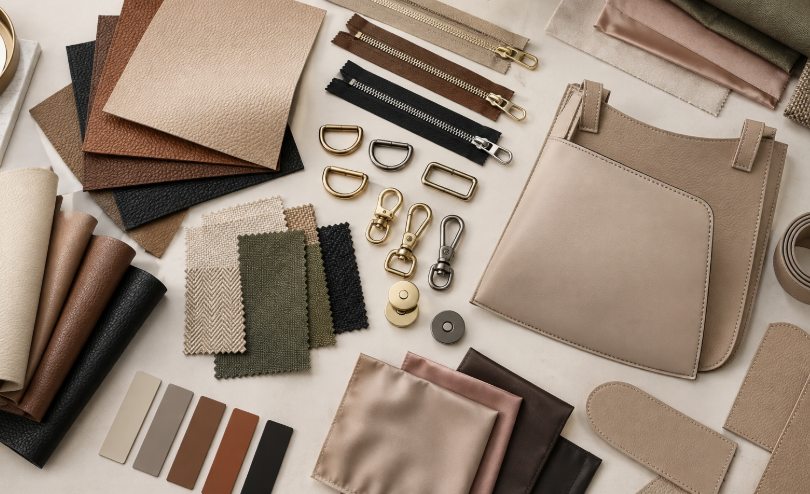
Borse a secchiello personalizzate per collezioni casual moderne
Le borse a secchiello combinano una silhouette riconoscibile con una capienza flessibile. La loro struttura dipende dal corretto rapporto tra la circonferenza del corpo, il pannello di base, il canale di apertura e la lunghezza del cordoncino. Piccoli errori nel cartamodello intorno a una base circolare o ovale possono causare attorcigliamenti, arricciature o una forma in piedi irregolare.
Le prestazioni del cordoncino devono essere valutate in base alla funzionalità piuttosto che al solo aspetto estetico. Lo spessore del cordoncino, l’attrito superficiale, il diametro degli occhielli, il design del cursore e il numero di strati di materiale attorno all’apertura influiscono tutti sulla fluidità con cui la borsa si chiude. Gli occhielli rinforzati dovrebbero resistere alla trazione senza rendere il bordo superiore inutilmente rigido.
Il contenuto può rimanere esposto se l'apertura con cordoncino non si chiude ermeticamente. Una linguetta magnetica interna, un pannello con cerniera o una tasca coperta possono migliorare la sicurezza preservando al contempo la forma a secchiello. Anche la posizione delle tasche richiede la stessa attenzione, poiché una tasca di grandi dimensioni fissata su un lato potrebbe sbilanciare la struttura morbida del prodotto.
Le borse a secchiello offrono ampio spazio alla varietà dei materiali. Il PU granuloso può dare vita a uno stile quotidiano pulito, la tela crea un prodotto dal carattere rilassato, mentre la pelle morbida si presta a una linea più raffinata. Il color blocking, i cordoncini a contrasto, i terminali dei cordoncini con il logo e le tasche rimovibili possono creare un tocco di originalità senza modificare il modello di base.
Borse personalizzate con manico superiore per un’immagine di marca raffinata
Le borse con manico superiore mettono in risalto le proporzioni e la qualità della lavorazione. Il cliente osserva contemporaneamente il manico, la patta, la chiusura, la finitura dei bordi e il pannello frontale, quindi è difficile nascondere eventuali incongruenze. La forma del manico deve essere verificata da diverse angolazioni, poiché una curva che appare equilibrata vista di fronte potrebbe risultare inclinata o storta se osservata di lato.
I supporti delle maniglie sono sottoposti a carichi concentrati. Il rinforzo deve essere posizionato tra il materiale esterno e il rivestimento, estendendosi oltre la base visibile. La lunghezza dei punti di cucitura, la posizione dei rivetti, i bordi ripiegati e la copertura dell’adesivo devono essere definiti nella documentazione tecnica. La prova di trazione può quindi essere eseguita utilizzando un carico e una durata concordati in base alla capacità prevista.
La rigidità del corpo deve sostenere il manico senza che la borsa sembri una scatola. I materiali lisci evidenziano ammaccature e ondulazioni più facilmente rispetto alle superfici ruvide. Anche la verniciatura dei bordi richiede un’asciugatura controllata e una levigatura tra una mano e l’altra per ottenere una finitura pulita attorno ai manici, alle patte e ai bordi esposti dei pannelli.
Le tracolle staccabili possono ampliare le possibilità di utilizzo del prodotto, ma gli anelli laterali devono apparire come un elemento intenzionale quando la tracolla viene rimossa. Anche la posizione degli anelli influisce sull’equilibrio: se i punti di fissaggio sono troppo spostati in avanti o indietro, la borsa si inclina quando viene portata a tracolla.
Borse a mano personalizzate per le collezioni da sera e da cerimonia
Le pochette hanno uno spazio limitato, quindi ogni componente deve giustificare lo spazio che occupa. Margini di cucitura ingombranti, grandi tasche con cerniera, magneti spessi e supporti per il logo sovradimensionati possono ridurre rapidamente la capacità interna. Le dimensioni del prodotto devono tenere conto dell’apertura utilizzabile, oltre che della larghezza e dell’altezza esterne.
La scelta della chiusura influisce sia sulla funzionalità che sull’estetica. Le chiusure a telaio conferiscono una forma definita, quelle a magnete creano un aspetto più pulito, le cerniere migliorano la sicurezza e le chiusure a ribalta offrono un look più morbido. Ciascun metodo sottopone a sollecitazioni diverse aree del prodotto. Le chiusure a magnete richiedono un allineamento stabile, quelle a telaio necessitano di un montaggio preciso, mentre i modelli a ribalta richiedono materiali in grado di piegarsi ripetutamente senza rompersi.
I profili sottili rendono più evidenti i difetti superficiali. Rughe, segni di adesivo, verniciatura irregolare sui bordi, bolle nella fodera e segni di pressione lasciati dalla ferramenta possono compromettere l’aspetto complessivo del prodotto. L’imballaggio protettivo dovrebbe impedire che catene e decorazioni metalliche esercitino pressione sulla borsa durante lo stoccaggio e la spedizione.
Le catene staccabili o i cinturini da polso possono aggiungere flessibilità senza trasformare la pochette in un prodotto diverso. Gli anelli di aggancio dovrebbero rimanere discreti quando non vengono utilizzati. Gli scomparti interni per carte, una piccola tasca per lo specchietto o un divisorio compatto possono migliorarne la funzionalità, anche se un interno troppo ricco di dettagli può far sembrare la pochette troppo affollata.
Mini borse personalizzate per linee di prodotti all’avanguardia
Le mini borse dovrebbero essere progettate in base alle loro dimensioni specifiche, anziché essere ridotte meccanicamente da una borsa più grande. I margini di cucitura standard, i nastri delle cerniere, le placchette con il logo, i ganci a scatto e gli strati di rinforzo occupano una percentuale molto maggiore della superficie di una borsa di piccole dimensioni. L’esterno può sembrare equilibrato, mentre l’apertura risulta troppo stretta per gli oggetti che si intende riporvi.
I test di capienza dovrebbero prevedere l’utilizzo di oggetti fisici selezionati dal marchio, quali un modello di telefono di riferimento, un portacarte, delle chiavi, un rossetto o una cipria. Ciò fornisce un chiaro limite di progettazione ed evita approvazioni vaghe basate esclusivamente sulle dimensioni esterne. Spesso la larghezza di apertura è più importante del volume interno totale.
L'hardware in scala ridotta garantisce solitamente un risultato più curato. I dentini della cerniera più piccoli, la verniciatura più sottile sui bordi, i moschettoni più leggeri, i tiranti più corti e le dimensioni ridotte del logo consentono di mantenere le proporzioni sotto controllo. La resistenza deve comunque essere verificata, poiché la riduzione delle dimensioni dei componenti può indebolire i collegamenti delle cinghie e i punti di chiusura.
Le mini borse si prestano bene come complementi di colore alle collezioni di borse da donna personalizzate. Finiture stagionali, materiali testurizzati, catene rimovibili e dettagli distintivi compatti possono attirare l’attenzione sulla linea. Il riconoscimento del marchio dovrebbe comunque derivare da una forma ricorrente, da dettagli costruttivi o dal linguaggio delle finiture metalliche, piuttosto che dal solo colore di tendenza.
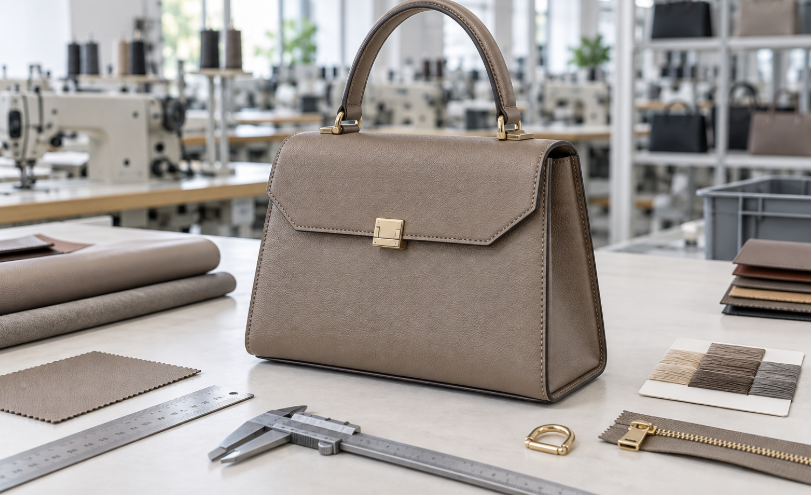
Crea la tua collezione di borse a marchio proprio con HeteBag
Lo sviluppo diventa più prevedibile quando l’acquirente e il produttore concordano dettagli quantificabili. I moodboard indicano la direzione da seguire, ma i team di produzione hanno bisogno anche di misure, riferimenti sui materiali, standard cromatici, finiture degli accessori, disegni costruttivi, file dei loghi, requisiti di imballaggio e informazioni sul mercato di riferimento.
| Punto di controllo dello sviluppo | Cosa deve approvare l'acquirente | Registro delle approvazioni raccomandate |
|---|---|---|
| Sagoma | Forma quando è vuoto, pieno e trasportato | Foto d’epoca scattate da diverse angolazioni |
| Dimensioni | Dimensioni esterne, apertura, lunghezza dei cinturini, tasche | Scheda tecnica con tolleranze |
| I materiali | Superficie, spessore, supporto, rivestimento, sensazione al tatto | Campioni fisici autografati |
| Hardware | Dimensioni, peso, funzionalità, finitura e logo | Scheda dei componenti approvata |
| Lavorazione | Cuciture, verniciatura dei bordi, giunture e rinforzi | Campione di riferimento sigillato |
| Imballaggio | Riempimento, confezionamento, etichettatura e sistemazione in cartoni | Specifiche di imballaggio con foto |
Il campione approvato dovrebbe diventare il riferimento vincolante per la produzione in serie. I commenti verbali e i messaggi di chat devono essere riportati nel fascicolo tecnico prima dell’approvazione. Anche i numeri di revisione sono importanti; gli stabilimenti potrebbero seguire istruzioni obsolete qualora circolino diverse versioni del campione senza una chiara identificazione.
Le descrizioni dei materiali devono essere accurate. I marchi che vendono negli Stati Uniti possono consultare il Linee guida della FTC relative a determinati prodotti in pelle e similpelle, che trattano le dichiarazioni relative alla composizione della pelle e alla pelle sintetica nelle borse. Termini quali “pelle”, “pelle rigenerata”, “PU”, “tessuto rivestito” e “poliestere riciclato” devono corrispondere all’effettivo elenco dei materiali e all’etichetta destinata al consumatore.
La conformità ai requisiti del mercato di destinazione deve essere integrata nel progetto prima che i materiali e le finiture vengano definiti in via definitiva. I prodotti destinati all’UE potrebbero richiedere una valutazione basata sul rischio delle sostanze utilizzate in pelle, tessuti, rivestimenti, adesivi, coloranti e componenti metallici alla luce delle attuali Informazioni sulle restrizioni REACH pubblicate dall’ECHA. L'ambito dei test dovrebbe tenere conto dei materiali, dei colori, delle finiture, del contatto con l'utente e del mercato di destinazione della borsa finita.
Le dichiarazioni relative al contenuto riciclato richiedono una documentazione tracciabile lungo l'intera catena di approvvigionamento pertinente. Gli acquirenti che intendono realizzare collezioni in poliestere o nylon riciclato possono consultare l'attuale Documenti relativi allo standard Global Recycled Standard (GRS) forniti da Textile Exchange. È necessario verificare i certificati dei materiali, i registri delle transazioni, l’ambito di fornitura e le autorizzazioni relative all’etichettatura prima che qualsiasi marchio di certificazione o indicazione percentuale compaia sul prodotto o sulla confezione.
Il controllo qualità dovrebbe concentrarsi sui rischi legati a ciascun modello. Le borse a tracolla richiedono punti di fissaggio robusti per la tracolla, le borse a spalla devono garantire stabilità dimensionale, le borse hobo richiedono una caduta controllata e le pochette devono presentare superfici pulite e visibili. I criteri di ispezione risultano più utili quando definiscono tolleranze accettabili e metodi di prova, anziché basarsi su espressioni generiche come “buona qualità”.
HeteBag è un produttore di borse con sede a Huadu, Guangzhou, in Cina, che si avvale del supporto diretto delle fabbriche. Il nostro team vanta 15 anni di esperienza nella produzione di borse e collabora con diverse fabbriche specializzate per soddisfare le esigenze relative a materiali, strutture, accessori metallici e marchi privati. Siamo in grado di fornire assistenza nella scelta dei materiali, nello sviluppo dei prodotti, nella realizzazione dei campioni, nel coordinamento della produzione, nel controllo qualità e nel confezionamento.
Se state cercando un produttore per realizzare borse da donna personalizzate per una nuova collezione o per una linea di prodotti già affermata, potete Lascia qui il tuo numero di telefono e le informazioni relative al progetto. Saremo lieti di esaminare la vostra linea stilistica e di discutere su come possiamo realizzare insieme la collezione.
Domande frequenti
Quanti modelli di borse da donna dovrebbe includere una nuova collezione a marchio proprio?
Il numero giusto dipende dai canali di vendita, dal profilo dei clienti, dal volume di produzione e dalla capacità di gestire le scorte. Molte collezioni mirate partono da pochi modelli chiaramente differenziati, come ad esempio una borsa a tracolla per l’uso quotidiano, una borsa a tracolla e un modello dal carattere più deciso e di forte impatto visivo, per poi aggiungere colori o materiali man mano che la domanda diventa più chiara.
Quali informazioni devo fornire prima di richiedere un campione di borsa?
Fornire immagini di riferimento o disegni, dimensioni finali, materiale di destinazione, colori, fodera, finitura degli accessori metallici, modalità di applicazione del logo, requisiti dei cinturini, disposizione delle tasche, tipo di chiusura, esigenze di imballaggio, quantità prevista e mercato di destinazione. I file vettoriali del logo e i riferimenti Pantone aiutano il produttore a interpretare la richiesta con maggiore precisione, sebbene per l’approvazione definitiva del materiale e del colore siano comunque preferibili campioni fisici.
È possibile utilizzare lo stesso modello sia per le borse in pelle che per quelle in PU?
Le linee stilistiche principali possono rimanere simili, ma il modello di produzione spesso richiede degli adeguamenti. La pelle e il PU possono differire per spessore, elasticità, supporto, comportamento dei bordi, margine di piegatura, necessità di sbiaditura e risposta alla cucitura. Cambiare il materiale principale senza verificare questi fattori può alterare le dimensioni e la forma del prodotto finito.
Quali test di qualità sono utili per le borse su misura?
I test devono rispecchiare lo stile e l'uso previsto. Tra i controlli più comuni figurano la sollecitazione di cinghie e manici, la resistenza delle cuciture, il funzionamento delle cerniere, il numero di cicli di chiusura, la resistenza della placcatura degli accessori metallici, la solidità del colore, l'abrasione, l'adesione della vernice sui bordi, la precisione dimensionale, l'odore e i test chimici specifici per ciascun materiale. Le condizioni di prova e i criteri di accettazione devono essere concordati prima dell'avvio della produzione.
Come possono gli acquirenti garantire la coerenza dei colori negli ordini ripetuti?
Conservare un campione fisico di riferimento approvato per ogni materiale esterno, fodera, vernice per bordi, filo e finitura di placcatura. I nuovi lotti di materiale devono essere confrontati in condizioni di illuminazione controllata prima del taglio. Anche per i riordini è necessario registrare il fornitore, il codice del materiale, il lotto di tintura, la finitura e la tolleranza precedentemente approvata, poiché il solo numero Pantone non è sufficiente a garantire la conformità di ogni superficie.
Dopo l'approvazione del campione commerciale, quando è opportuno realizzare un campione di pre-produzione?
Un campione di pre-produzione è utile quando i materiali sfusi, la ferramenta, i componenti del logo o i metodi di costruzione differiscono da quelli utilizzati nel primo campione. Esso conferma che i componenti pronti per la produzione funzionano correttamente insieme prima che abbia inizio la fase di taglio completa. La versione approvata deve essere sigillata, datata e messa a disposizione sia del team di produzione che di quello di controllo qualità.


