
 Arabic
  English
  Italian
  French
  German
  Spanish
 In this highly competitive handbag market, choosing the right handbag that suits one’s needs has become a concern for many people. For individuals, have you ever seen a handbag that looks nice in the store but then felt it wasn’t practical after a few days? For buyers, does the handbag you choose suit your market, is its quality good, and is it appealing to buyers? No matter from the aspect of size, material, functionality and style, choosing the right handbag is still a challenging task.
هيتباغ, as a manufacturer with 15 years of experience in China, has exported our handbags to various countries. We are well aware of which countries prefer which styles and what issues customers care about. Therefore, in this article, I will share how to choose the right handbag to help you make a better selection.
What Will You Use the Handbag For?
Start here. Purpose is the foundation of every good handbag decision, and skipping this step leads to a closet full of bags that almost work.
- Daily commuting demands durability above all. A bag that looks flawless on Monday morning needs to survive five days of being dropped on floors, stuffed into overhead bins, and carried through rain. You want reinforced handles, a structured base, and easy access to essentials — phone, keys, wallet — without digging. Interior organization matters more than exterior design when you’re reaching in forty times a day.
- Evening and occasion use flips those priorities. Here, aesthetics lead. A clutch or small crossbody at a dinner event doesn’t need to hold a laptop — it needs to hold your attention. Compact, refined, deliberately minimal. The bag becomes part of the outfit, not a utility tool.
- السفر lives in its own category. A weekend bag needs to carry more than expected, compress when needed, and withstand TSA conveyor belts without showing it. Crossbody bags with anti-theft zippers and slash-resistant straps have become essential for travelers who’ve learned the hard way. Deep pockets and lockable closures matter here.
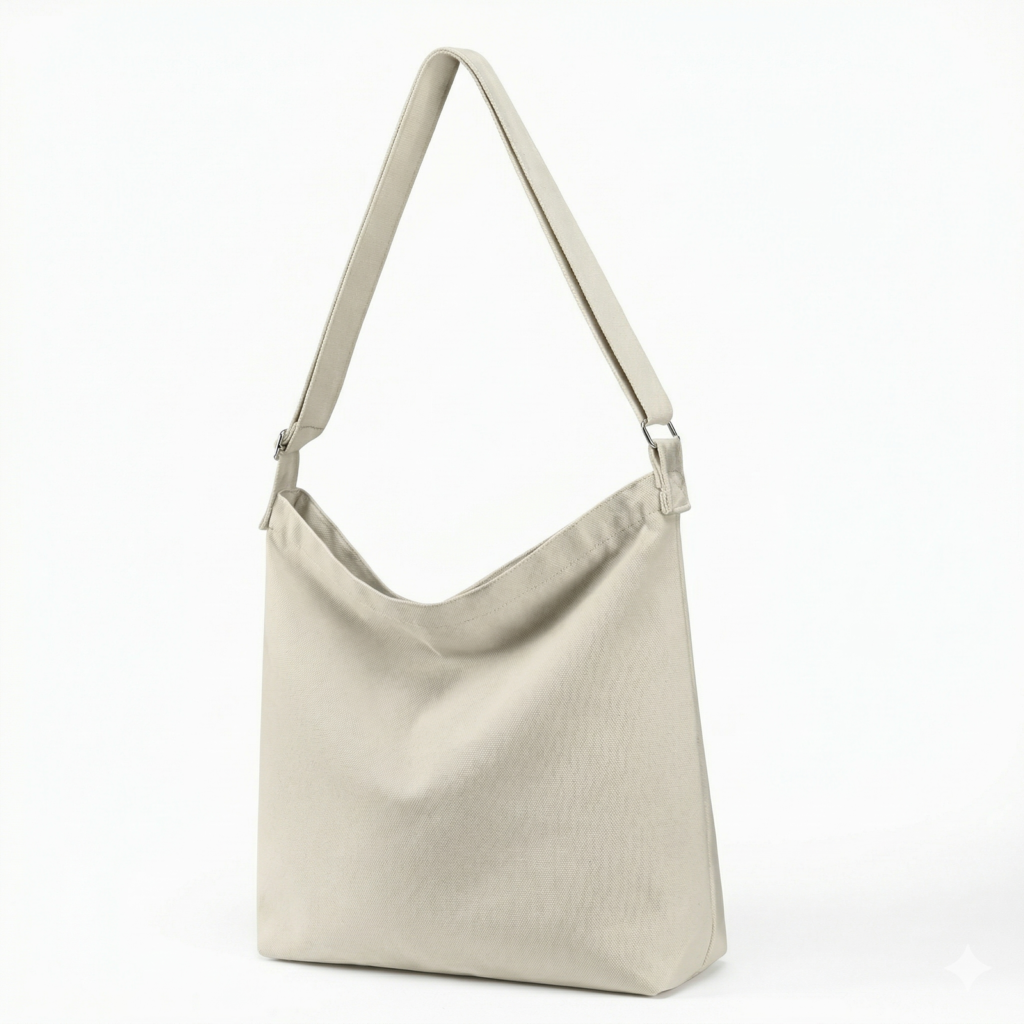
- Casual everyday use — running errands, weekend outings, low-stakes days — is where personal style gets the most room to breathe. Tote bags, bucket bags, hobo styles. Less structure, more comfort.
The mistake most people make is buying for how they want to live rather than how they actually live. If you’re on your feet most of the day, a rigid top-handle bag with no shoulder strap will frustrate you within a week. Be honest about your routine, and the right bag reveals itself.
Which Size Fits Your Needs?
Size isn’t about preference — it’s about function. And function is daily.
- Mini bags (under 6 inches) are editorial pieces. They’re built for impact, not utility. What fits: phone, cards, lip balm. What doesn’t: anything else. They work for events where you want to travel light and look intentional. They fail as workhorses.
- Small bags (6–9 inches) hit the sweet spot for evening and light daytime use. You can carry the essentials without the bag overwhelming a smaller frame. Crossbody styles in this range are particularly versatile — they move with you without requiring adjustment.
- Medium bags (10–13 inches) are the most universally useful. Room for a tablet, a few cosmetics, a water bottle if it’s slim. Medium totes and shoulder bags are the reliable middle ground for commuters and professionals who need more than a clutch but less than a full carryall.
- Large bags (14 inches and above) are for heavy lifters: parents, creatives, people who work from multiple locations. The risk with large bags is overpacking — filling every inch until the bag becomes a burden rather than a tool. Structure matters more at this size; a bag that collapses under its own weight is exhausting to use.
One underrated rule: match bag size to body proportions, not just contents. A petite frame carrying an oversized tote looks like the bag is carrying the person. A tall frame with a tiny mini bag can feel visually off-balance. Scale matters.
What Material Suits Your Lifestyle?
Material is where quality lives — and where shortcuts show up fastest.
- جلد كامل الحبيبة is the benchmark. It ages well, develops character over time, and resists wear in ways synthetic materials simply can’t replicate. The catch: cost and maintenance. Leather needs conditioning, protection from moisture, and careful storage. For bags that need to last a decade, the investment pays off.
- جلد طبيعي و bonded leather sit lower in the hierarchy. Genuine leather uses lower-quality hides; bonded leather is essentially leather scraps fused with adhesives. Both look fine initially but degrade faster — peeling, cracking, and fraying are common complaints within a few years of daily use.
- قماش is the practical workhorse. Heavy-duty canvas bags are light, easy to clean, and hold shape well. They’re not aspirational, but they’re honest — a canvas tote that serves you reliably for five years is worth more than a leather bag that fails in two.
- النايلون — particularly ballistic or Cordura nylon — is underestimated in fashion contexts. It’s nearly indestructible, water-resistant, and surprisingly lightweight. Technical and travel bags lean heavily on nylon for exactly these reasons. The limitation is aesthetic: nylon rarely feels elevated.
- جلد نباتي (PU or microfiber-based) has improved significantly. Better formulations resist cracking, take dye evenly, and feel convincingly close to the real thing. The sustainability question is complicated — some PU leathers have significant environmental footprints — but for buyers who prioritize animal-free materials, quality vegan leather is a serious option.
The right material is the one that matches your environment. A coastal lifestyle, humid climate, or outdoor-heavy routine demands different materials than an urban office setting. Think about where the bag goes, not just how it looks in a showroom.
Which Style Complements Your Wardrobe?
A bag that works in isolation often fails in context. Style compatibility is about coherence — the bag and the outfit should feel like they were chosen for each other, even when they weren’t.
Tote bags are the most forgiving. Clean lines, neutral colors, and minimal hardware let totes absorb almost any outfit without conflict. They work with business casual, weekend casual, and creative professional looks. The limitation is formality — a canvas tote at a black-tie event will always feel incongruous.
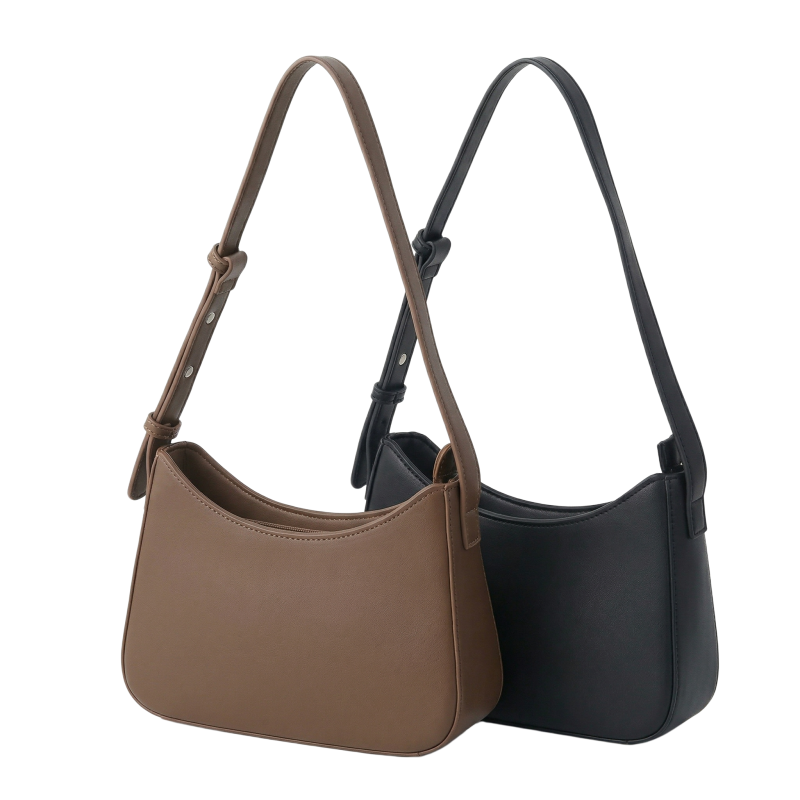
Shoulder bags add structure and polish. A well-made shoulder bag with chain or leather straps can elevate a simple outfit immediately. They read as intentional in a way that totes sometimes don’t.
حقائب الكروس بودي prioritize mobility. For active days, travel, or any situation where you need your hands free, crossbody construction is the most practical. Styling note: diagonal straps can interrupt the visual line of an outfit, so consider proportion and where the bag sits against the body.
Top-handle bags — structured satchels, doctor bags, boxy frames — carry a certain formality. They suggest intention and care. The held-in-hand or elbow-carry position reads as polished in professional settings.
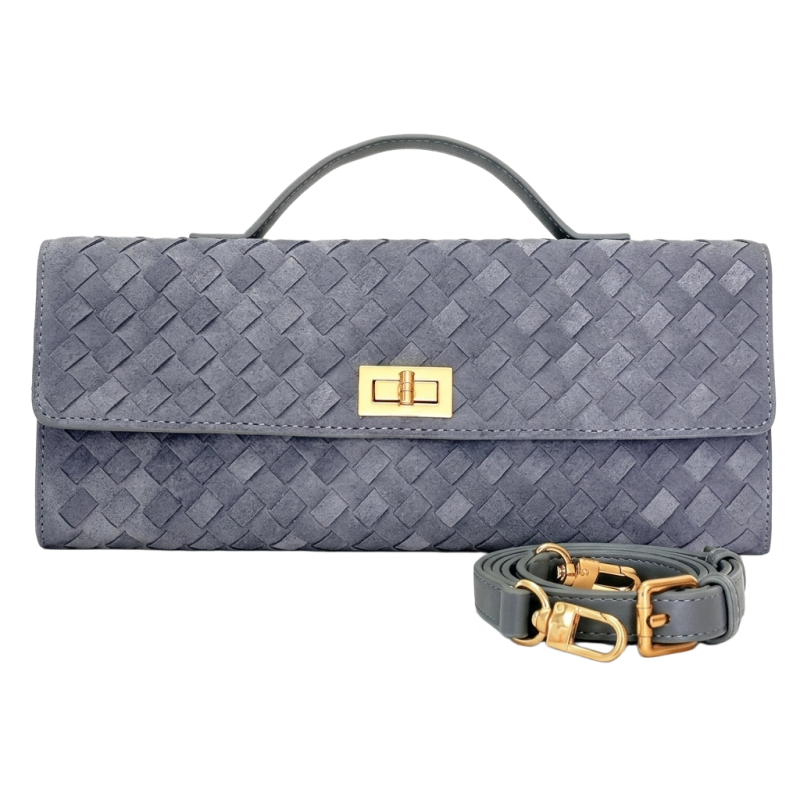
Clutches are occasion-specific by design. They’re held or tucked under the arm, which limits their function but maximizes their impact. For events and evenings, they’re unmatched.
Bucket bags و hobo bags occupy the relaxed, creative end of the spectrum. Soft silhouettes, casual construction, effortless energy. They pair naturally with relaxed denim, oversized knits, and bohemian aesthetics.
The practical test: pull out your three most-worn outfits. What bag fits each of them without requiring you to rethink the look? That’s the style to invest in first.
How to Choose the Right Color and Pattern?
Color is where personal taste and strategic thinking intersect. Both matter.
Neutral classics — black, camel, cognac, ivory, navy — carry the most versatility. A black bag works with nearly every outfit in nearly every context. Camel and cognac read as warm and elevated, pairing naturally with earth tones, creams, and deeper hues. These aren’t conservative choices; they’re durable ones. A classic-color bag can outlast five trend cycles without feeling dated.
Statement colors — cobalt, red, emerald, blush — serve a different purpose. They don’t blend into an outfit; they become the focal point. One bold bag can transform an otherwise neutral look. The risk is narrower versatility — a bright orange bag that doesn’t work with your wardrobe sits unused. Before buying a statement color, honestly assess how many of your existing pieces it actually complements.
Patterns and prints require the most thoughtfulness. Animal prints (leopard, snakeskin) have proven remarkably durable as neutral-adjacent statements — they pair more easily than most people expect. Geometric patterns and color-blocked designs tend to be era-specific and can feel dated quickly. Floral prints live or die by scale and palette.
A few rules that hold up over time:
If your wardrobe skews printed, a solid bag grounds the look. If your wardrobe is mostly solid, a printed bag adds dimension without chaos. Matching bag to shoe color creates a pulled-together effect without being matchy-matchy. Contrasting textures — a smooth leather bag against a textured knit — add visual interest that monochromatic looks benefit from.
What Features and Compartments Are Essential?
Function lives in the details. A beautiful bag that’s difficult to use becomes a beautiful bag that stays at home.
Closure type is the starting point. Magnetic closures are fast and convenient but offer little security. Zipper closures are safer but slower. Turn-lock and push-lock hardware adds a deliberate, intentional feel and provides security without the frustration of a stuck zipper.
Interior organization separates bags that work from bags that frustrate. At minimum: a zipped pocket for valuables, an open slip pocket for frequently accessed items, and enough main-compartment depth to accommodate daily essentials without cramming. Bags with a single open interior may look clean, but they become chaos in practice — everything migrates to the bottom.
Exterior pockets are polarizing. Some people love quick-access exterior pockets for phones and transit cards; others find them a security concern. If you use them, choose bags where exterior pockets have secure closures.
Strap versatility matters more than it seems. Adjustable and detachable straps transform a single bag into multiple configurations — shoulder carry, crossbody, hand carry. This flexibility extends the usability of the bag significantly.
Hardware quality signals the overall build. Brass and solid metal hardware outlasts pot metal significantly. Look for hardware that’s weighty, smooth, and consistent in finish. Hardware that feels hollow or shows plating wear on the first use won’t last.
البطانة matters for daily use. Quality lining — woven fabric, microfiber, suede — protects the interior and makes it easier to locate items. Dark linings hide wear; light linings show stains. Neither is wrong, but know what you’re choosing.
Base protection is often overlooked. Metal feet or a reinforced base keep the bag off dirty surfaces and prevent bottom wear. Bags without them show floor damage quickly.
One question worth asking before purchasing: can you access everything you need with one hand? If the answer is no, the design is working against you.
How to Balance Quality and Budget?
Budget isn’t a limitation — it’s a design constraint. Working within it thoughtfully produces better outcomes than ignoring it.
The first principle: price per use. A $300 bag you carry daily for three years costs less per use than a $60 bag you replace twice a year. Longevity compounds. When the math works in favor of a better bag, buy the better bag.
The second principle: concentrate spending on high-frequency pieces. The bag you carry four days a week deserves more investment than the one you carry to occasional events. Prioritize the workhorses; be more flexible on the specialty pieces.
Where quality shows up in price:
Stitching consistency and thread quality are visible tells. Run your finger along seams — even stitching under tension indicates care; loose or uneven stitching indicates shortcuts. Hardware weight and finish reflect material cost directly. Interior construction — how the lining is attached, whether raw edges are finished, how handles are reinforced — is where budget bags save money invisibly until the bag fails.
Where to find value:
Accessible luxury brands frequently offer entry-level pieces in genuine leather at $200–400 that outperform fast-fashion bags by years. Mid-range manufacturers who focus on construction over branding often deliver better quality per dollar than heritage brands charging for name recognition. Off-season purchasing — buying summer bags in fall, winter bags in spring — consistently delivers 20–40% savings with no quality compromise.
What to avoid at any price point:
Bags with hardware that wobbles on first inspection. Straps attached with single stitching or simple rivets. Lining glued rather than sewn. Zippers that require force to operate. These aren’t signs of budget construction — they’re signs of poor construction, regardless of price.
The goal isn’t to spend more. It’s to spend where it pays back.
Finding a Manufacturing Partner Who Gets It Right
Every point in this guide — from material selection to hardware quality to interior construction — comes back to one thing: who made the bag, and how seriously did they take the craft?
هيتباغ is a luggage manufacturer headquartered in Guangzhou. We have a production base in Huadu and have 15 years of manufacturing experience. We can provide services for buyers who require something beyond the common mass production. Hetebag collaborates with multiple factories. We offer comprehensive services to those brands and buyers who clearly define their own needs and require large-scale delivery capabilities, including material procurement, structural quality, and product consistency.
If you are developing a product line and wish to collaborate with a manufacturer who understands the key details, please visit our website and leave your contact information. Our team will contact you directly. This is where it all begins.Please provide the text that needs to be translated accurately and fluts there.
الأسئلة الشائعة
What should I consider first when choosing a handbag?
The first thing to consider is the purpose of the handbag. Will you be using it daily for work, for special occasions, or for travel? Knowing how you plan to use the bag will guide your decision on size, style, and functionality.
How do I choose the right handbag size?
Size is determined by your needs. For daily use, a medium-sized bag is often the best option, while smaller bags are suitable for evening events. If you need to carry a lot of items, a large bag may be necessary, but make sure it’s well-structured to avoid feeling cumbersome.
Which handbag material is the most durable?
Full-grain leather is considered the most durable material, as it ages beautifully over time. If you’re looking for something more practical, canvas and nylon offer excellent durability and ease of maintenance, especially for everyday use.
What handbag styles work best for casual use?
For casual settings, tote bags, bucket bags, and hobo bags are great choices. These styles offer more comfort and relaxed designs, making them suitable for errands and weekend outings.
Can I use a large handbag for everyday work use?
Large bags can work for heavy users like parents or creatives, but be mindful of overpacking. The right large bag should have a structured design to prevent it from collapsing and becoming a burden.


